






ICMR Calls for Stricter School Food Rules as Childhood Obesity Rises Across India
India’s leading medical research body has proposed a series of policy measures to tackle the growing challenge of childhood obesity, warning that unhealthy eating habits among children could...

India’s leading medical research body has proposed a series of policy measures to tackle the growing challenge of childhood obesity, warning that unhealthy eating habits among children could lead to a sharp rise in diabetes, heart disease and other chronic illnesses in the coming decades. The recommendations come from the Indian Council of Medical Research’s National Institute of Nutrition (ICMR-NIN) through its ‘Let’s Fix Our Food’ Consortium.
The newly released policy document, Priority Policy Actions to Promote Healthier Diets and Food Environments for Children and Adolescents in India, outlines five major interventions designed to improve children’s food choices both inside and outside schools. The recommendations were launched by NITI Aayog Member (Health) Dr M. Srinivas in New Delhi.
One of the key proposals is to increase taxes on ultra processed and junk foods that are high in sugar, salt and unhealthy fats. Public health experts believe higher prices can discourage frequent consumption, particularly among children and teenagers who regularly purchase packaged snacks and sugary drinks. The report also recommends clearer front of pack nutrition labels so families can quickly identify products with excessive levels of unhealthy ingredients.
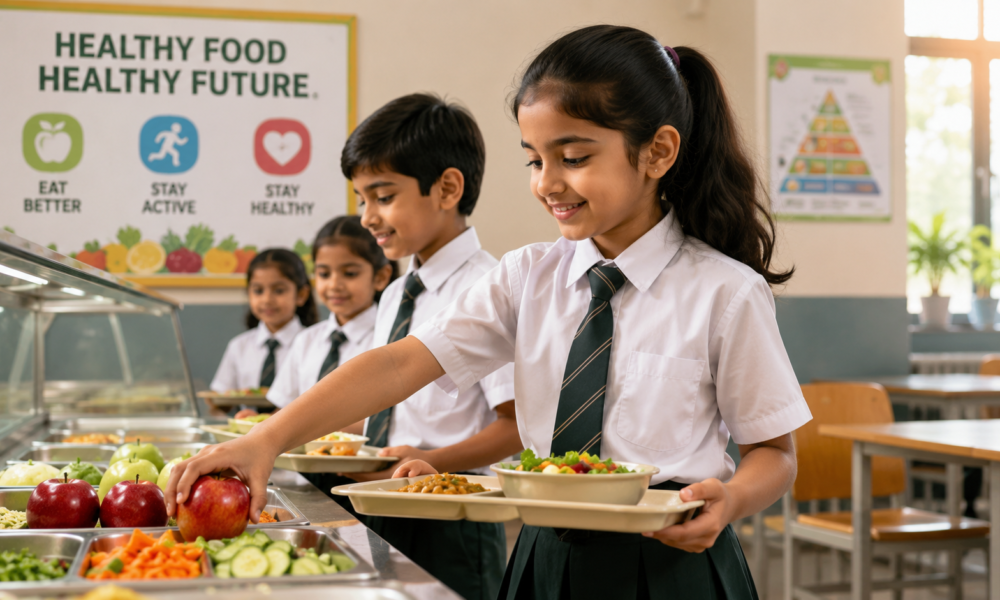
Another important recommendation focuses on schools. The consortium has called for stricter rules governing school canteens by limiting the sale of unhealthy foods and encouraging nutritious alternatives such as fresh fruits, whole grains and balanced meals. Schools are viewed as an ideal setting for developing healthy eating habits that can continue into adulthood.
The policy paper also urges stronger restrictions on advertising unhealthy foods to children. Experts argue that frequent exposure to television, digital and social media marketing influences food preferences from an early age. Reducing children’s exposure to such promotions could help encourage healthier dietary choices.
According to the report, nearly 41 million children in India are currently overweight or obese, making childhood nutrition an increasingly urgent public health concern. Excess body weight during childhood is associated with a greater risk of developing type 2 diabetes, hypertension, fatty liver disease and cardiovascular conditions later in life.
The consortium stressed that reversing this trend will require coordinated action from policymakers, schools, parents, healthcare professionals and the food industry. Creating healthier food environments is seen as equally important as encouraging regular physical activity and nutrition education.
Health experts say small daily changes can make a significant difference. Packing nutritious lunches, reducing sugary drinks, encouraging outdoor play, limiting highly processed snacks and involving children in meal preparation can all contribute to healthier lifestyles.
As India continues to face the dual burden of undernutrition and rising obesity, the ICMR believes prevention should begin early. The proposed reforms aim to create environments where healthier choices become the easier choices for children, helping reduce the future burden of non communicable diseases while supporting healthier generations.





No Comment! Be the first one.