








Seasonal Influenza 2026: Symptoms, Prevention and When to See a Doctor
Seasonal influenza remains a recurring respiratory health concern in India. Here’s how to recognise flu symptoms, reduce transmission and identify warning signs that require medical attention....


Seasonal influenza remains a recurring respiratory health concern in India. Here’s how to recognise flu symptoms, reduce transmission and identify warning signs that require medical attention.
As winter approaches, respiratory infections become an important public-health concern. Seasonal influenza, commonly known as the flu, is caused by influenza viruses and can affect people across age groups.
In August 2026, the Union Ministry of Health and Family Welfare said that India was monitoring seasonal influenza trends through its national surveillance network. The government stated that circulating influenza viruses were consistent with expected seasonal patterns and that available evidence did not indicate an unusual new strain.
The update is a reminder that seasonal flu requires awareness, not panic. Most people recover with supportive care, but certain groups face a higher risk of complications.
What is seasonal influenza?
Seasonal influenza is an acute respiratory infection caused by influenza viruses. It spreads primarily through respiratory particles released when an infected person coughs, sneezes or talks.
The World Health Organization estimates that seasonal influenza causes around one billion infections globally each year, including three to five million cases of severe illness.
Symptoms usually begin one to four days after infection. Common symptoms include fever, cough, sore throat, headache, body aches and fatigue.
Although many people recover without specific treatment, influenza can cause serious complications, particularly among vulnerable individuals.
Common symptoms of seasonal flu
Flu symptoms can vary in intensity. Some people experience a mild illness, while others develop more severe respiratory symptoms.
Common symptoms include:
- Fever or chills.
- Dry or persistent cough.
- Sore throat.
- Headache.
- Muscle and body aches.
- Fatigue and weakness.
- Runny or blocked nose.
- Some children may also experience vomiting or diarrhoea.
Symptoms such as fever and body aches may improve within a few days, while cough and fatigue can continue for longer.
Who is at greater risk?
Certain groups have a higher likelihood of developing influenza-related complications.
These include:
- Children, particularly young children.
- Older adults.
- Pregnant women.
- People with chronic respiratory or cardiovascular conditions.
- Individuals with weakened immune systems.
- People with other significant underlying health conditions.
- People in these groups should seek medical advice promptly if they develop flu-like symptoms.
How can influenza be prevented?
Vaccination is an important measure for reducing the risk of influenza and severe illness. The appropriate vaccine and timing should be discussed with a healthcare professional, particularly for people in higher-risk groups.
Everyday precautions can also help reduce transmission.
Follow these measures:
- Wash your hands regularly with soap and water.
- Cover your mouth and nose while coughing or sneezing.
- Avoid touching your eyes, nose and mouth with unwashed hands.
- Limit close contact with other people when experiencing symptoms.
- Improve ventilation in indoor spaces where possible.
- Wear a mask when appropriate, particularly when symptomatic or in crowded healthcare settings.
- Follow medical advice about vaccination and treatment.
- People who are unwell should avoid unnecessary contact with others to reduce the chance of spreading infection.
Flu or common cold: What is the difference?
Both conditions affect the respiratory system, but influenza often begins more abruptly and can produce more pronounced fever, body aches and fatigue.
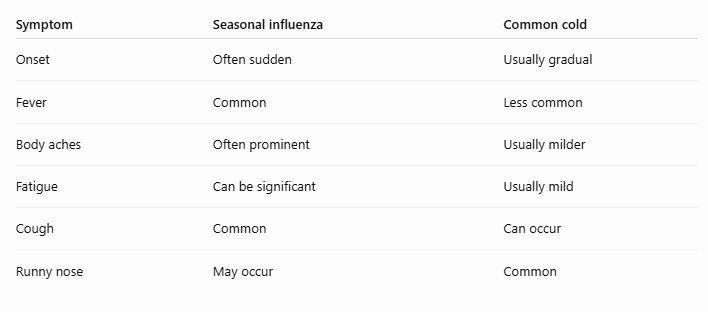
Symptoms alone cannot reliably identify the virus responsible. A healthcare professional can determine whether testing or treatment is necessary.
When should you seek medical attention?
People with mild symptoms may recover with rest, adequate fluids and appropriate supportive care.
However, medical assessment is important if symptoms are severe, persistent or worsening. People with underlying health conditions, pregnant women, young children and older adults should be particularly cautious.
Seek urgent medical attention for serious warning signs such as difficulty breathing, chest pain, confusion, severe weakness or signs of dehydration.
Do not start antibiotics or antiviral medicines without medical advice. Antibiotics do not treat influenza viruses, and antiviral treatment is appropriate only in specific circumstances.
What is India’s current influenza monitoring position?
The Ministry of Health and Family Welfare, the Indian Council of Medical Research and the National Centre for Disease Control monitor respiratory illness trends through surveillance systems and laboratory networks.
In its August 25, 2026 update, the government said that the influenza situation was being monitored and that the viruses circulating in India were consistent with seasonal patterns.
The public-health message was to remain informed and follow preventive measures rather than panic over routine influenza activity.
Conclusion
Seasonal influenza is a recurring respiratory infection, but its effects should not be underestimated, particularly among vulnerable groups.
Vaccination where recommended, hand hygiene, respiratory precautions and timely medical consultation can help reduce the risk of complications and transmission.
As winter approaches, understanding the symptoms and knowing when to seek medical care are more useful than relying on unverified claims about new outbreaks.
Medical disclaimer: This article is for general information and is not a substitute for professional medical advice, diagnosis or treatment. Consult a qualified healthcare professional about symptoms, vaccination and treatment.




No Comment! Be the first one.