







High Blood Pressure in Young Adults: Why Regular BP Checks Matter
High blood pressure is often associated with older age, but younger adults should not ignore it. Learn about hypertension risk factors, symptoms, screening and ways to protect cardiovascular health....

High blood pressure is often associated with older age, but younger adults should not ignore it. Learn about hypertension risk factors, symptoms, screening and ways to protect cardiovascular health.
High blood pressure, medically known as hypertension, is one of the most important risk factors for cardiovascular disease. Yet many people do not know they have it because the condition may not produce noticeable symptoms.
It is often thought of as a health concern that develops later in life. However, young and middle-aged adults should also pay attention to their blood pressure, particularly when they have risk factors such as excess weight, physical inactivity, smoking, high salt intake or a family history of hypertension.
Indian medical guidance published in 2026 has highlighted the importance of improving hypertension detection and control through standardised screening and appropriate blood pressure measurements.
What is hypertension?
Blood pressure is the force exerted by circulating blood against the walls of the arteries.
It is recorded using two numbers:
Systolic pressure: The pressure when the heart contracts.
Diastolic pressure: The pressure when the heart relaxes between beats.
A blood pressure reading is usually written as systolic over diastolic, measured in millimetres of mercury (mmHg).
Hypertension occurs when blood pressure remains persistently higher than the recommended range. The diagnostic threshold and treatment decisions should be based on applicable clinical guidelines and an assessment by a healthcare professional.
One high reading does not automatically establish a diagnosis. Blood pressure can change because of stress, physical activity, caffeine, illness and measurement conditions.
Why can young adults develop high blood pressure?
Hypertension can develop through a combination of genetic, lifestyle and medical factors.
Important risk factors include:
High dietary salt intake.
Physical inactivity.
Excess body weight.
Tobacco use.
Excessive alcohol consumption.
Family history of hypertension.
Diabetes and kidney disease.
Poor sleep and certain underlying medical conditions.
Long working hours, sedentary routines and frequent consumption of highly processed foods can also make healthy lifestyle habits harder to maintain.
However, hypertension can affect people who appear healthy and maintain a normal body weight. This is why screening matters.
Does high blood pressure have symptoms?
One of the biggest challenges with hypertension is that many people experience no obvious symptoms.
A person can have elevated blood pressure and continue with daily activities without recognising a problem.
Headaches, dizziness and fatigue are not reliable ways to diagnose hypertension. These symptoms can have many causes, and their absence does not mean blood pressure is normal.
The most dependable way to identify high blood pressure is through proper measurement and clinical assessment.
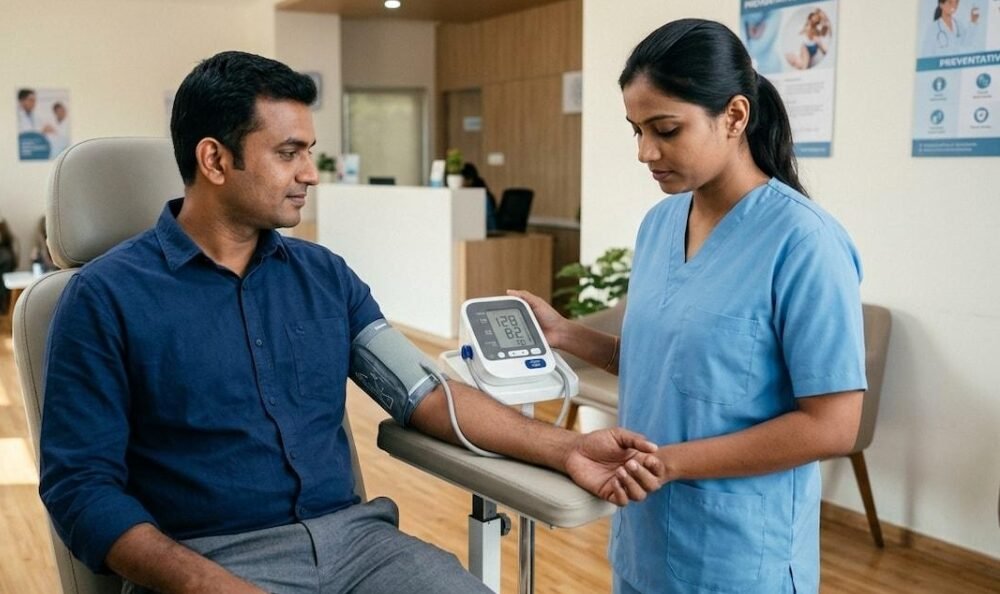
How should blood pressure be measured?
Accurate measurement is important because incorrect technique can produce misleading readings.
For a more reliable reading:
Avoid smoking, caffeine and exercise for about 30 minutes before measurement.
Empty your bladder if necessary.
Sit quietly for around five minutes.
Keep your back supported and feet flat on the floor.
Rest your arm at heart level.
Use a properly sized cuff on a bare upper arm.
Take repeated readings as advised by a healthcare professional.
A clinician may recommend home monitoring or ambulatory blood pressure monitoring to confirm a diagnosis.
What are the possible complications of uncontrolled hypertension?
Persistently high blood pressure can damage blood vessels and place additional strain on the heart.
Over time, uncontrolled hypertension can increase the risk of:
Heart disease.
Stroke.
Heart failure.
Chronic kidney disease.
Damage to blood vessels.
Certain forms of vision loss.
These complications may develop gradually, which is why early detection and long-term management are important.
How can you reduce the risk of hypertension?
Lifestyle changes are an important part of preventing and managing high blood pressure.
- Reduce excess salt
Frequent consumption of salty snacks, packaged foods, pickles and high-sodium meals can contribute to excessive sodium intake. Check food labels and limit added salt.
- Stay physically active
Regular physical activity supports cardiovascular health. Walking, cycling, swimming and other activities can help people build a consistent exercise routine.
- Maintain a healthy weight
For people with excess body weight, gradual and sustainable weight management can improve several cardiovascular risk factors.
- Avoid tobacco
Smoking and tobacco use damage blood vessels and increase cardiovascular risk. Quitting is an important step towards better health.
- Limit alcohol
Reducing or avoiding alcohol can support blood pressure management and overall health.
- Follow a balanced diet
Include vegetables, fruits, whole grains, pulses and other nutrient-rich foods. Reduce reliance on highly processed foods.
- Take prescribed medication consistently
People diagnosed with hypertension should follow their prescribed treatment plan. Do not stop or change medication without consulting a clinician.
When should you get your blood pressure checked?
Adults should discuss an appropriate screening schedule with their healthcare professional, particularly if they have a family history of hypertension or other cardiovascular risk factors.
People with diabetes, kidney disease, obesity or previously elevated readings may need more frequent monitoring.
If a reading is unusually high, repeat it correctly and seek medical guidance. A very high reading accompanied by chest pain, breathlessness, weakness, confusion, severe headache or vision changes requires urgent medical assessment.
Why hypertension screening matters in India
India’s cardiovascular health burden makes early detection particularly important.
The Indian Guidelines on Hypertension, published in 2026, emphasise improvements in detection, clinical decision-making and blood pressure control. A 2025 consensus statement also highlighted the importance of standardised screening, including office-based and out-of-office measurements.
The broader challenge is not simply identifying elevated readings. People need access to accurate diagnosis, follow-up, treatment and long-term monitoring.
Conclusion
High blood pressure is not exclusively an older person’s health problem. Young adults can also develop hypertension, often without obvious warning signs.
Regular screening, accurate measurement, healthier food choices, physical activity and timely medical care can help reduce cardiovascular risk.
Do not wait for symptoms to appear before paying attention to your blood pressure.
Medical disclaimer: This article is for general educational purposes and does not provide an individual diagnosis or treatment plan. Blood pressure thresholds and treatment decisions should be discussed with a qualified healthcare professional.


No Comment! Be the first one.