








How Air Pollution Affects Heart Health, Lung Function and Immunity
Air pollution is more than an environmental concern. Prolonged exposure to polluted air can affect several organs in the human body, particularly the heart and lungs. As air quality deteriorates...

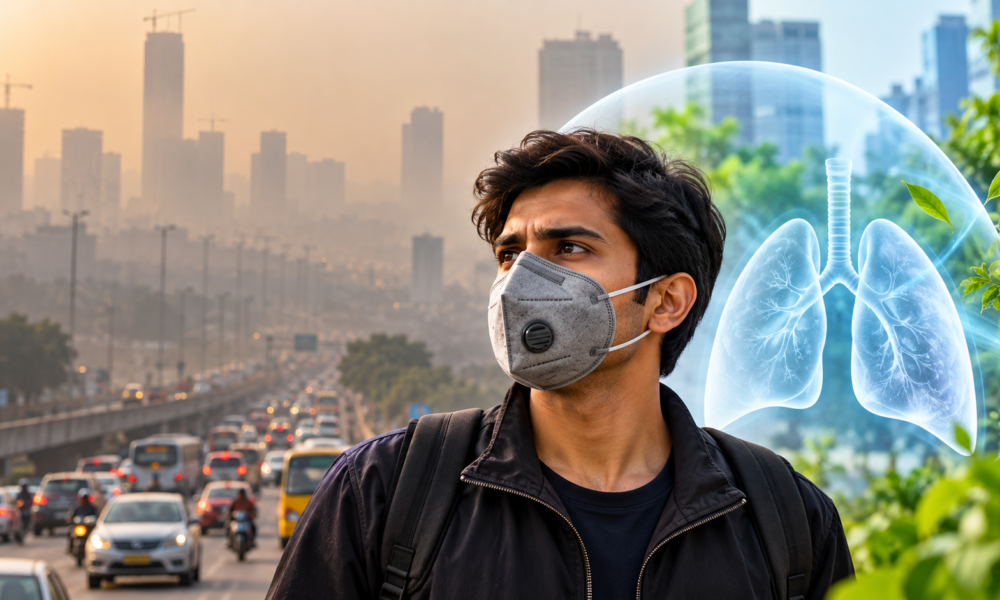
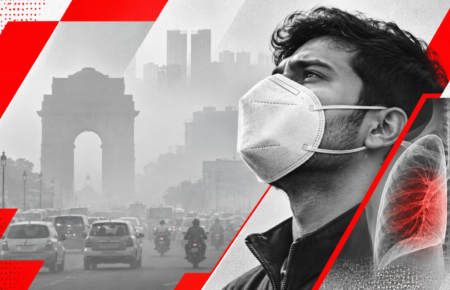
Air pollution is more than an environmental concern. Prolonged exposure to polluted air can affect several organs in the human body, particularly the heart and lungs. As air quality deteriorates across several Indian cities, understanding the health consequences of pollutants such as PM2.5, PM10, nitrogen dioxide and ground-level ozone has become increasingly important.
While coughing, throat irritation and breathing difficulties are commonly associated with poor air quality, scientific research shows that air pollution can also contribute to cardiovascular problems, inflammation and changes in the body’s immune response.
- How Air Pollution Affects Heart Health
Fine particulate matter, particularly PM2.5, is small enough to penetrate deep into the lungs. Some particles and their components can enter the bloodstream, triggering inflammation and oxidative stress.
These processes can affect blood vessels, blood pressure and the normal functioning of the cardiovascular system.
According to the World Health Organization (WHO), exposure to outdoor air pollution is associated with cardiovascular diseases, including ischaemic heart disease and stroke.
People with existing heart conditions, high blood pressure and other cardiovascular risk factors may be particularly vulnerable during periods of severe pollution.
- The Impact of Air Pollution on Lung Function
The respiratory system is among the first parts of the body exposed to airborne pollutants. When polluted air enters the lungs, particles and gases can irritate the airways and trigger inflammation.
Common symptoms include:
Persistent coughing and throat irritation.
Wheezing and shortness of breath.
Chest discomfort and increased mucus production.
Aggravation of asthma and other respiratory conditions.
Long-term exposure to particulate pollution is associated with reduced lung function and an increased risk of chronic respiratory diseases, including chronic obstructive pulmonary disease (COPD).
Children, older adults and people with asthma or existing lung conditions require particular attention because their respiratory systems may be more vulnerable to polluted environments.
- Can Air Pollution Weaken the Immune System?
Air pollution can interfere with the body’s normal immune responses. Research indicates that exposure to certain pollutants can cause oxidative stress, inflammation and changes in immune-system activity.
These effects may influence the respiratory tract’s natural defence mechanisms, potentially making people more susceptible to respiratory infections.
Pollution can also aggravate existing inflammatory conditions, particularly in people with underlying respiratory illnesses.
However, it is important to understand that air pollution does not automatically cause immune deficiency. Its effects depend on pollutant concentration, exposure duration and individual health conditions.
- Who Is Most Vulnerable to Air Pollution?
Although polluted air can affect everyone, certain groups face greater health risks.
These include:
Children, whose lungs and immune systems are still developing.
Older adults, particularly those with existing health conditions.
Pregnant women and developing foetuses.
People with asthma, COPD or cardiovascular diseases.
Individuals who work outdoors or live near busy roads and industrial areas.
People who spend extended periods outdoors during high-pollution episodes may also experience greater exposure.
- How to Reduce the Health Risks of Air Pollution
Completely avoiding air pollution is difficult, particularly in densely populated urban areas. However, practical precautions can help reduce exposure.
Monitor AQI: Check the Air Quality Index before planning outdoor activities.
Use appropriate masks: A well-fitting N95 or equivalent respirator can help reduce exposure to airborne particles when outdoor pollution is high.
Limit strenuous outdoor exercise: Avoid intense physical activity outdoors during severe pollution episodes.
Improve indoor air quality: Keep windows closed when outdoor pollution is high, and consider a suitable air purifier with a HEPA filter.
Avoid indoor pollutants: Minimise tobacco smoke, incense smoke and unnecessary burning of solid fuels.
Follow medical advice: People with asthma, heart disease or other chronic conditions should follow their prescribed treatment plans.
Conclusion
Air pollution is not simply an issue of visibility or environmental cleanliness. Its effects can extend from the respiratory tract to the cardiovascular system and immune responses.
As Indian cities face recurring air-quality challenges, awareness, preventive measures and stronger pollution-control policies are essential. Protecting public health requires both individual precautions and collective action to improve the quality of the air people breathe.


No Comment! Be the first one.