







Diabetic Retinopathy: How Diabetes Can Damage Your Eyes Without Early Warning Signs
Diabetic retinopathy is a diabetes-related eye condition that can threaten vision. Understand its symptoms, risk factors, screening methods and why regular eye examinations matter. Diabetes can...

Diabetic retinopathy is a diabetes-related eye condition that can threaten vision. Understand its symptoms, risk factors, screening methods and why regular eye examinations matter.
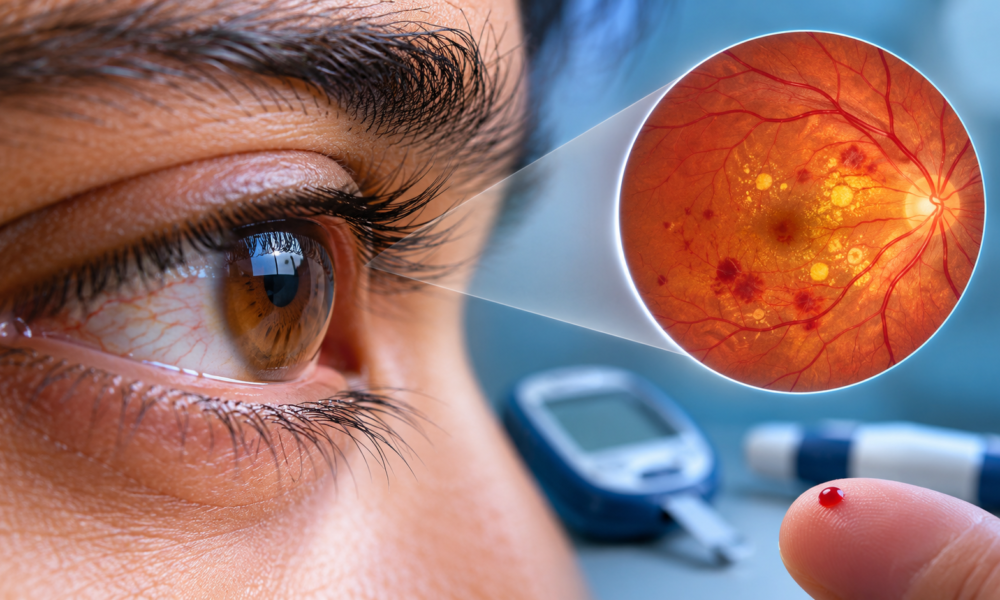
Diabetes can affect more than blood sugar levels. Over time, persistently high blood glucose can damage blood vessels in different parts of the body, including the retina, the light-sensitive tissue at the back of the eye.
This condition is known as diabetic retinopathy. It can develop gradually and may not cause noticeable symptoms during its early stages.
That makes regular eye examinations especially important for people living with diabetes.
In December 2025, the Armed Forces Medical Services announced an artificial intelligence-assisted community screening programme for diabetic retinopathy in collaboration with AIIMS and the Ministry of Health and Family Welfare’s eHealth AI Unit. The initiative highlighted the growing role of technology in improving access to early detection.
What is diabetic retinopathy?
The retina helps convert light entering the eye into signals that the brain interprets as images.
Diabetic retinopathy develops when prolonged exposure to high blood glucose damages the small blood vessels supplying the retina.
In its early stages, the condition may cause no noticeable changes in vision. As it progresses, blood vessels can leak, close off or contribute to the growth of abnormal new vessels.
Advanced disease can lead to serious vision impairment and blindness if not identified and managed appropriately.
What are the symptoms of diabetic retinopathy?
Early diabetic retinopathy often has no symptoms. This is one reason people with diabetes should not wait for blurred vision before arranging an eye examination.
Possible symptoms in more advanced disease include:
Blurred or fluctuating vision.
Dark spots or floating shapes in the field of vision.
Difficulty seeing clearly.
Areas of missing or distorted vision.
Sudden changes in eyesight.
Sudden vision loss, a sudden increase in floaters or a curtain-like shadow over vision requires urgent eye assessment.
These symptoms are not exclusive to diabetic retinopathy and can occur in other eye conditions.
Who is at risk?
People with diabetes can develop diabetic retinopathy, but the likelihood and severity are influenced by several factors.
Important risk factors include:
Longer duration of diabetes.
Persistently high blood glucose.
High blood pressure.
Abnormal cholesterol levels.
Pregnancy in people with pre-existing diabetes.
Other underlying health conditions.
Good diabetes management can reduce the risk of complications, but it does not eliminate the need for eye screening.
Why are regular eye examinations important?
Because early diabetic retinopathy may not affect vision noticeably, a person can have retinal damage without realising it.
A comprehensive dilated eye examination allows an eye-care professional to examine the retina for signs of damage.
Depending on the clinical situation, screening may also involve retinal photography, optical coherence tomography or other investigations.
People with diabetes should ask their treating doctor or ophthalmologist how frequently they need an eye examination. The appropriate schedule depends on the type of diabetes, previous eye findings, pregnancy status and individual risk.
How is diabetic retinopathy treated?
Treatment depends on the stage and severity of the disease.
A person with early changes may need closer monitoring and improved management of blood glucose, blood pressure and cholesterol.
More advanced disease may require specialist treatment, which can include:
Intravitreal injections of medicines that reduce abnormal blood vessel activity.
Laser treatment.
Vitrectomy surgery in selected cases.
These treatments are decided by an ophthalmologist after examining the eye. Not every person with diabetic retinopathy requires an immediate procedure.
Early detection gives clinicians a better opportunity to manage the condition before severe vision loss develops.
Can diabetic retinopathy be prevented?
The risk of diabetic eye complications can be reduced through consistent diabetes management and regular screening.
Important steps include:
Monitor blood glucose as advised by your healthcare team.
Follow the prescribed diabetes treatment plan.
Manage blood pressure and cholesterol.
Avoid smoking and tobacco.
Maintain a balanced diet and regular physical activity.
Attend recommended retinal examinations.
Seek prompt care if vision changes occur.
People should not stop diabetes medication or make major treatment changes without professional advice.
How is artificial intelligence changing diabetic eye screening in India?
Artificial intelligence is increasingly being explored as a tool to support retinal image assessment and improve access to screening.
In December 2025, the Armed Forces Medical Services announced an AI-driven community screening programme for diabetic retinopathy in partnership with the Dr Rajendra Prasad Centre for Ophthalmic Sciences at AIIMS and the Ministry of Health and Family Welfare’s eHealth AI Unit.
The programme was presented as an effort to strengthen early detection and develop a real-time health intelligence framework.
Research published in BMJ Open in March 2026 also examined non-ophthalmologist-led and offline AI-assisted approaches to diabetic retinopathy screening in India.
AI-based screening can support healthcare teams, particularly where access to specialist services is limited. However, screening technology does not replace a comprehensive clinical assessment or treatment by an eye specialist.
Conclusion
Diabetic retinopathy is a potentially serious complication of diabetes, and its early stages may not produce noticeable symptoms.
Regular retinal screening, consistent blood glucose management and control of other cardiovascular risk factors are essential parts of protecting long-term eye health.
For people living with diabetes, waiting until vision becomes blurred is not a safe screening strategy.
Medical disclaimer: This article is for educational purposes only. Screening intervals and treatment decisions should be determined by a qualified healthcare professional or ophthalmologist.





No Comment! Be the first one.