








Antibiotic Resistance in India: Why Taking Antibiotics Without a Prescription Is Dangerous
Antibiotics can treat bacterial infections, but unnecessary or incorrect use can contribute to antimicrobial resistance. Here’s why self-medication is a growing public-health concern. Taking an...

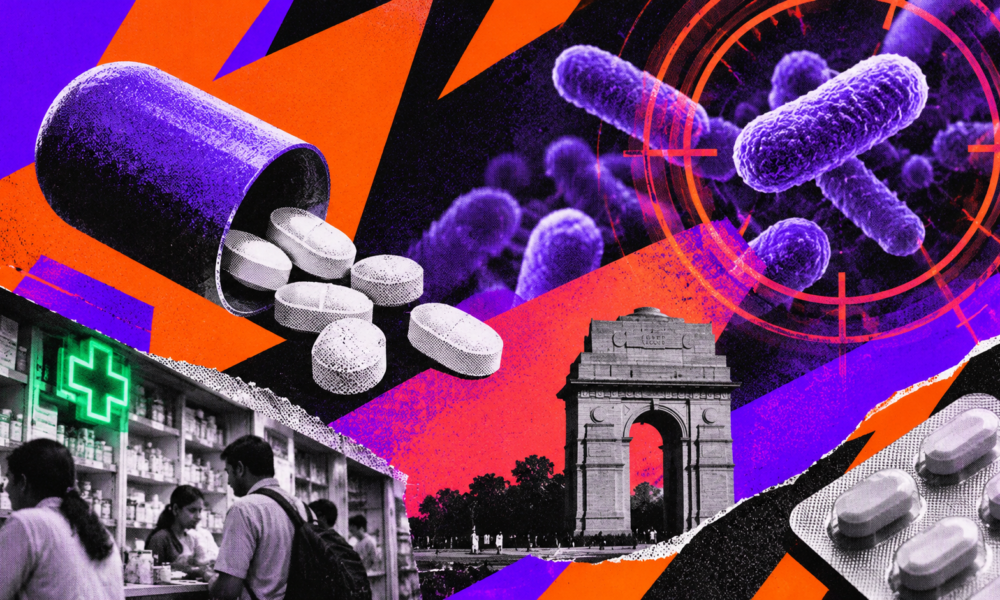
Antibiotics can treat bacterial infections, but unnecessary or incorrect use can contribute to antimicrobial resistance. Here’s why self-medication is a growing public-health concern.
Taking an antibiotic for a fever, cough or sore throat has become a familiar response for many people. Some use leftover medicines from an earlier prescription, while others purchase antibiotics without understanding whether their illness is caused by bacteria or a virus.
This behaviour can contribute to antimicrobial resistance (AMR), a major challenge for healthcare systems worldwide.
Antibiotic resistance develops when bacteria evolve mechanisms that allow them to survive medicines designed to kill them or stop their growth. As resistance increases, infections can become harder to treat and may require more complex medical care.
A 2026 review of antimicrobial resistance in India’s healthcare system highlighted the continuing challenge posed by multidrug-resistant bacteria and the need for stronger approaches to prevention, diagnosis and treatment.
What is antibiotic resistance?
Antibiotics are medicines used to treat bacterial infections. They do not work against viral illnesses such as the common cold or influenza.
Antibiotic resistance occurs when bacteria develop the ability to withstand medicines that previously controlled or eliminated them.
It is the bacteria, not the human body, that become resistant.
When antibiotics are used unnecessarily, incorrectly or without appropriate medical guidance, susceptible bacteria may be eliminated while resistant bacteria survive and multiply.
This can make future bacterial infections more difficult to treat.
Why is antibiotic resistance a concern in India?
Antimicrobial resistance affects the ability of doctors to treat common and serious infections.
A 2026 review published in Frontiers in Antibiotics examined antimicrobial resistance in India’s healthcare system, including concerns around multidrug-resistant Gram-negative bacteria and carbapenem-resistant organisms.
These infections can create significant treatment challenges, particularly in healthcare settings where patients may already be seriously ill.
The issue is not limited to hospitals. Inappropriate antibiotic use in the community, inadequate infection prevention and delays in obtaining accurate diagnoses can also contribute to the wider problem.
Why should you not take antibiotics for every fever?
Fever is a symptom, not a diagnosis.
It can occur because of viral infections, bacterial infections and several non-infectious medical conditions.
Antibiotics only work against bacterial infections. Taking them for a viral illness will not treat the underlying cause.
For example:
Antibiotics do not treat influenza viruses.
Antibiotics do not cure the common cold.
Antibiotics are not routine treatment for every sore throat.
Antibiotics should not be taken simply because a fever has lasted for a particular number of hours.
A clinician must assess the symptoms and decide whether an antibiotic is appropriate.
Five common mistakes that can encourage antibiotic resistance
- Taking leftover antibiotics
Using medicines prescribed for an earlier illness may be inappropriate for a new infection. The medicine, dose and duration may not be suitable.
- Sharing antibiotics
A medicine prescribed for one person may not be appropriate for another. Sharing antibiotics can delay correct diagnosis and treatment.
- Buying antibiotics without proper medical advice
Self-medication can lead to unnecessary exposure, side effects and delayed treatment of the actual illness.
- Taking antibiotics for viral infections
Antibiotics cannot eliminate viruses. Using them for viral infections offers no benefit and can contribute to unnecessary antibiotic exposure.
- Changing treatment without consulting a doctor
Do not independently stop, extend, reduce or change a prescribed antibiotic course. Follow the instructions provided by the treating clinician and seek advice if side effects or concerns arise.
What is the difference between antibiotic resistance and antimicrobial resistance?
Antibiotic resistance specifically refers to bacteria becoming resistant to antibiotic medicines.
Antimicrobial resistance is a broader term. It includes resistance among bacteria, viruses, fungi and parasites to medicines used to treat the infections they cause.
This is why AMR is a wider public-health issue than antibiotic misuse alone.
How can individuals help reduce antibiotic resistance?
Responsible medicine use is an important part of protecting the effectiveness of existing treatments.
People can help by:
Taking antibiotics only when prescribed by a qualified healthcare professional.
Never sharing prescription medicines.
Avoiding leftover antibiotics for new illnesses.
Following the prescribed dose and instructions.
Asking a clinician or pharmacist about side effects or missed doses.
Maintaining hand hygiene.
Keeping vaccinations up to date as recommended.
Practising safe food handling and sanitation.
Avoiding pressure on doctors to prescribe antibiotics when they are not clinically indicated.
Healthcare facilities also need strong infection-prevention practices, appropriate diagnostic testing and antibiotic stewardship programmes.
What is antibiotic stewardship?
Antibiotic stewardship refers to coordinated efforts to ensure that antibiotics are used appropriately.
This includes selecting the right medicine for a confirmed or strongly suspected bacterial infection, using an appropriate dose and duration, and reviewing treatment as clinical information becomes available.
Hospitals, doctors, pharmacists and public-health authorities all have a role in reducing unnecessary antibiotic exposure.
Conclusion
Antibiotics remain essential medicines, but their effectiveness cannot be taken for granted.
Taking them without a prescription, using leftover medicines or expecting antibiotics to treat every fever can contribute to a larger public-health problem.
The practical message is straightforward: do not self-medicate with antibiotics. Get the illness assessed, follow professional advice and use these medicines only when they are needed.
Medical disclaimer: This article is for general educational purposes. Never start, stop or modify antibiotic treatment without consulting the prescribing healthcare professional.






No Comment! Be the first one.