







Medical Oxygen Supply Needs Reliable Electricity: How Energy Storage Could Strengthen India’s Healthcare System
Medical oxygen systems depend on electricity for equipment such as oxygen concentrators, compressors, monitoring systems and storage infrastructure. Battery backup and solar power can help healthcare...

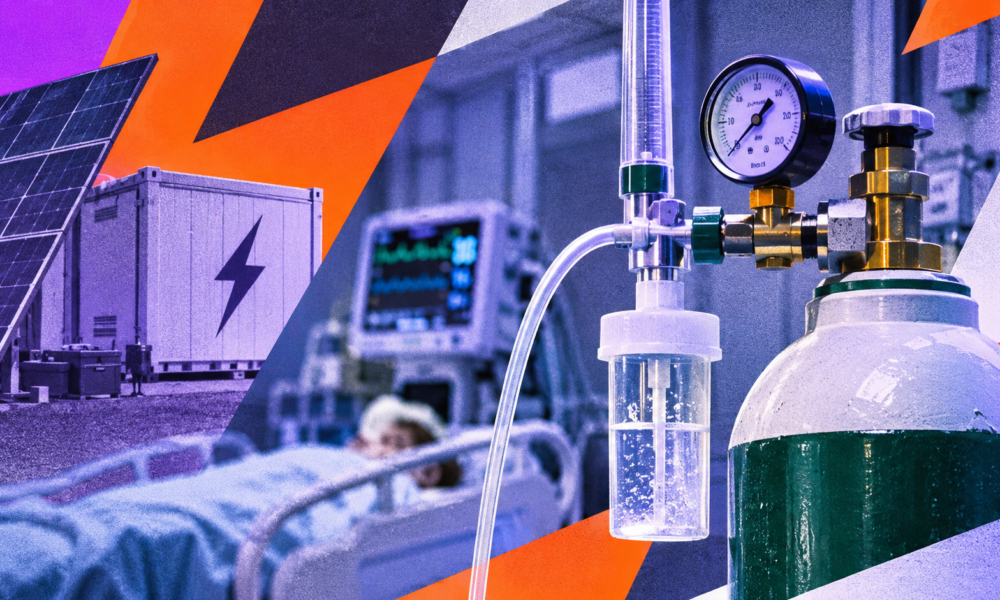
Medical oxygen systems depend on electricity for equipment such as oxygen concentrators, compressors, monitoring systems and storage infrastructure. Battery backup and solar power can help healthcare facilities maintain essential oxygen services during power interruptions.
India’s healthcare infrastructure has expanded its medical oxygen production capacity since the COVID-19 pandemic. However, maintaining a reliable oxygen supply requires more than installing oxygen generation plants. Hospitals also need uninterrupted electricity to operate oxygen-producing equipment.
Medical oxygen is an essential requirement for treating patients with severe respiratory illnesses, pneumonia and other conditions that affect breathing. It is also used in intensive care units, emergency departments and operating theatres.
Many government hospitals use Pressure Swing Adsorption (PSA) oxygen generation plants to produce medical oxygen directly at their facilities. These plants reduce dependence on transporting oxygen cylinders from distant suppliers.
However, PSA plants require a continuous electricity supply to operate. Power interruptions can therefore affect oxygen production if adequate backup arrangements are unavailable.
The Ministry of Health and Family Welfare’s National Guidelines on Medical Oxygen Management specify that PSA plants require an uninterrupted three-phase alternating current electricity supply. The guidelines also recommend maintaining an oxygen backup equivalent to at least two to three days of a healthcare facility’s total medical oxygen demand.
Ministry of Health and Family Welfare
How Can Battery Storage Help Hospitals?
Battery storage systems can provide backup electricity during power interruptions.
When connected to an appropriate solar installation or the electricity grid, batteries can store electricity and supply it when the main power connection fails.
This can help operate essential oxygen infrastructure, including oxygen concentrators, compressors, monitoring equipment and supporting systems.
The World Health Organization also recommends considering uninterrupted power supplies and battery bank systems when procuring oxygen concentrators.
Its technical guidance explains that battery banks can provide longer backup than conventional UPS systems, depending on battery capacity and the electricity requirements of the equipment. Solar panels can also charge battery systems in locations with unreliable grid electricity.
Iris
What Has India’s Experience Shown?
A research study published in PLOS Global Public Health examined the use of oxygen equipment distributed to healthcare facilities during the COVID-19 pandemic.
The study surveyed healthcare facilities across India and identified electricity availability, equipment maintenance and technical support as important factors affecting the long-term use of oxygen equipment.
Among the surveyed facilities, 350, or approximately 86%, reported adequate electrical infrastructure in terms of functional outlets and uninterrupted power supply.
However, the study also found that access to trained equipment repair technicians was limited, particularly in government primary and community health centres.
The researchers highlighted solar power as a potential solution for facilities experiencing frequent electricity interruptions.
News in Numbers
- 551 PSA plants: Additional medical oxygen generation plants approved for public healthcare facilities through the PM CARES Fund.
- 2–3 days: Recommended medical oxygen backup for healthcare facilities under the Ministry’s guidelines.
- 95%: Ideal PSA plant uptime recommended in the national guidelines.
- 86%: Surveyed healthcare facilities reporting adequate electrical infrastructure in the cited research.
- 15 oxygen plants: Installed across northeastern states through the Ministry of Health and UNDP collaboration, supporting more than 5,000 oxygen beds.
Why Does It Matter?
A reliable medical oxygen supply is essential for hospitals treating patients with serious respiratory conditions.
Power interruptions can affect oxygen production equipment and other critical medical services.
Battery storage, solar power and backup generators can help hospitals maintain essential operations during electricity failures.
This is particularly important for rural and remote healthcare facilities that may experience difficulties accessing reliable grid electricity.
One Healthcare Trend
Hospitals are moving towards energy-resilient medical infrastructure.
Healthcare facilities are increasingly exploring solar power, battery backup, energy-efficient equipment and improved electricity management.
These developments could support more reliable medical oxygen production and reduce dependence on conventional backup systems.
Future Impact
Greater adoption of battery-supported electricity systems could strengthen medical oxygen infrastructure in rural hospitals, district healthcare centres and emergency facilities.
It could also create opportunities for companies involved in medical equipment, renewable energy, battery manufacturing and hospital infrastructure.
However, batteries must complement, not replace, essential oxygen reserves and properly maintained backup generators. Hospitals also need trained operators, regular equipment inspections and emergency response plans.
The bigger picture: India’s healthcare preparedness depends not only on the availability of medical oxygen but also on the reliable electricity needed to produce, store and deliver it.


No Comment! Be the first one.