







Electricity Shortages Can Disrupt Healthcare Services in Rural India: Study Highlights the Problem
Reliable electricity is one of the most important requirements for delivering healthcare. However, power interruptions can create difficulties for government healthcare facilities, particularly in...

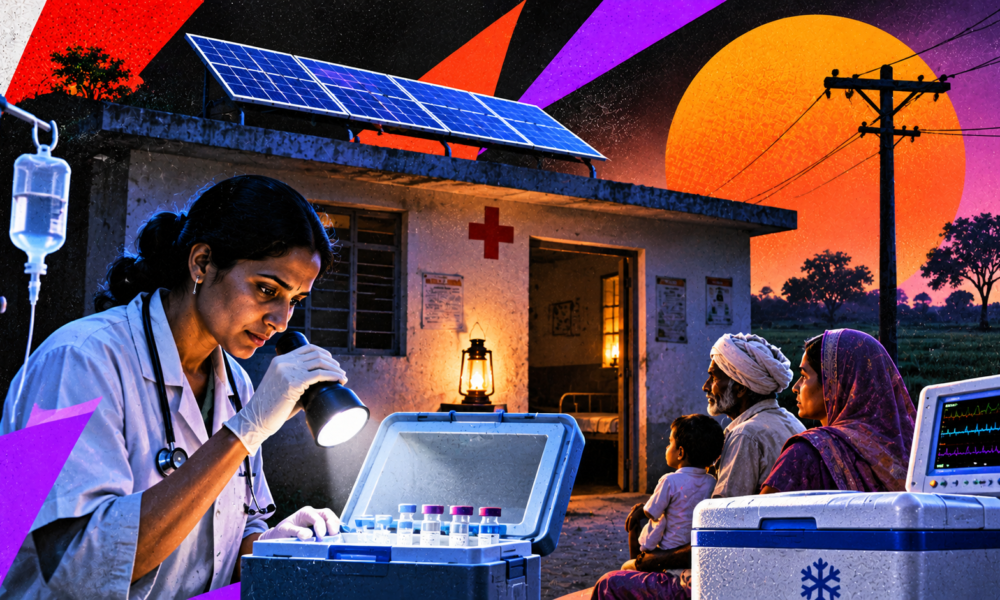
Reliable electricity is one of the most important requirements for delivering healthcare. However, power interruptions can create difficulties for government healthcare facilities, particularly in rural and underserved regions.
A working paper published by WRI India in June 2026 examined how electricity availability and reliability influence healthcare delivery in Jharkhand.
The research combined information on electricity supply with data on health services and outcomes from public healthcare facilities in two districts.
It found that unreliable electricity can affect the delivery of healthcare services and make access to medical treatment more difficult.
The problem can be particularly serious for communities in remote locations, where government healthcare facilities may already face shortages of medical equipment, trained staff and supporting infrastructure.
Electricity is needed for essential services such as diagnostic testing, medical refrigeration, lighting, water supply and the operation of medical equipment.
When power interruptions occur, healthcare workers may struggle to provide certain services.
The WRI India research highlights the importance of strengthening local electricity infrastructure through reliable grid connections, renewable energy systems and energy-efficient equipment.
WRI India
How Can Energy Storage Help?
Solar panels combined with battery storage can provide an alternative source of electricity for healthcare facilities.
During the day, solar panels generate electricity that can power medical equipment and charge batteries.
When sunlight is unavailable or grid electricity is interrupted, stored power can help operate essential services.
This approach can be useful in rural healthcare centres where electricity supply is inconsistent.
However, backup systems must be designed around the facility’s actual power requirements. Critical equipment should receive priority, and hospitals must retain appropriate emergency backup arrangements.
News in Numbers
- 16 June 2026: Publication date of the WRI India working paper.
- 2 districts: Jharkhand districts covered by the research.
- 3 infrastructure priorities: Reliable grid connections, renewable energy systems and energy-efficient medical equipment.
- 2 essential development goals: Better healthcare access and improved electricity reliability.
The working paper does not establish a national percentage of rural hospitals affected by outages. Its findings are specific to the facilities and districts studied.
Why Does It Matter?
Government healthcare facilities provide essential medical services to people who may not have easy access to private hospitals.
If electricity interruptions affect their operations, patients could face delays or have to travel further for treatment.
Reliable electricity can help improve the availability of basic medical services and support healthcare workers.
One Healthcare Trend
Healthcare infrastructure planning is increasingly considering energy reliability.
Hospitals and primary health centres need energy systems designed around medical requirements rather than just general electricity consumption.
Solar power, battery storage and energy-efficient equipment could become important parts of future healthcare infrastructure.
Future Impact
Better electricity infrastructure could improve healthcare delivery in rural regions and reduce interruptions in essential services.
It may also create opportunities for companies working in solar installations, battery systems, hospital engineering and energy-efficient medical equipment.
However, long-term success will depend on funding, technical maintenance and coordination between healthcare and energy departments.
The bigger picture: Improving rural healthcare requires more than medical staff and medicines. It also requires reliable electricity to make essential services available when patients need them.





No Comment! Be the first one.