







Delhi-NCR Winter Pollution: 7 Ways to Protect Your Lungs
Delhi-NCR’s winter pollution is more than an environmental concern. It is a growing public-health challenge, particularly for people who spend several hours outdoors, commute daily or live with...

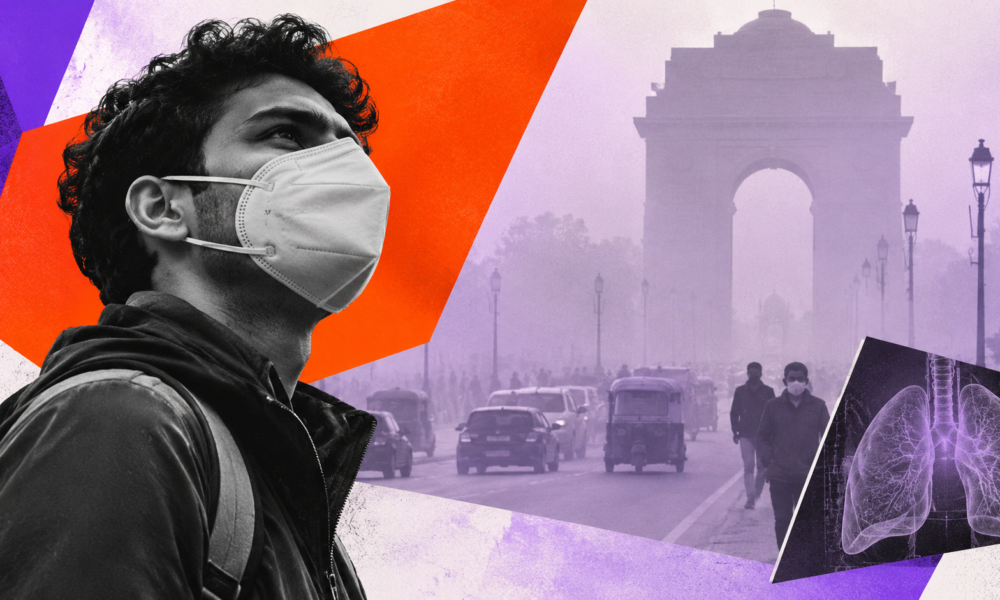
Delhi-NCR’s winter pollution is more than an environmental concern. It is a growing public-health challenge, particularly for people who spend several hours outdoors, commute daily or live with respiratory conditions.
As temperatures fall, weaker winds and unfavourable atmospheric conditions can prevent pollutants from dispersing. Fine particulate matter, particularly PM2.5, becomes a major concern because these tiny particles can penetrate deep into the lungs.
The situation has been reflected in recent air-quality readings. On November 6, 2026, Delhi recorded a daily average Air Quality Index (AQI) of 382, prompting the Commission for Air Quality Management (CAQM) to activate Stage III of the Graded Response Action Plan (GRAP) across NCR.
For residents, the challenge is to reduce exposure while maintaining everyday routines.
Here are seven practical ways to protect your respiratory health during the winter pollution season.
- Wear an N95 mask outdoors
When pollution levels are high, a properly fitted N95 respirator can help reduce exposure to airborne particulate matter.
Ordinary cloth masks and loosely fitted face coverings may not provide comparable protection against fine particles.
Ensure the mask covers your nose and mouth without leaving significant gaps around the edges.
- Avoid outdoor exercise during peak pollution
Morning walks and outdoor workouts are popular winter routines. However, exercising in heavily polluted conditions can increase the amount of polluted air inhaled.
Check the AQI before stepping outside. When air quality deteriorates, consider indoor workouts, stretching or other activities in a cleaner indoor environment.
- Improve indoor air quality
Staying indoors does not automatically eliminate exposure to pollution.
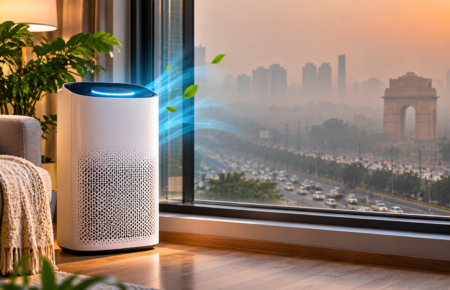
Keep windows and doors closed when outdoor air quality is particularly poor. Consider using an air purifier with a HEPA filter in frequently occupied rooms.
Regularly clean indoor surfaces and avoid activities that generate smoke or excessive dust.
- Keep children and older adults protected
Children, older adults and people with asthma, COPD or cardiovascular conditions may be particularly vulnerable to air pollution.
Limit unnecessary outdoor exposure during high-pollution episodes. Schools, caregivers and families should pay attention to official health advisories and changes in AQI.
- Stay hydrated and maintain a balanced diet
Adequate hydration supports normal respiratory function and helps maintain the body’s overall health.
Include fruits, vegetables, whole grains and other nutrient-rich foods in your regular diet.
However, no particular food, juice or supplement can prevent or reverse the effects of exposure to toxic air pollution.
- Monitor AQI before travelling
Checking air quality should become part of everyday planning during winter.
India’s National Air Quality Index classifies pollution into six categories, ranging from Good to Severe.
When readings enter the Very Poor or Severe categories, consider postponing non-essential outdoor activities, changing travel plans or working indoors where possible.
- Do not ignore respiratory symptoms
Persistent coughing, wheezing, throat irritation, breathlessness and chest discomfort should not be dismissed as ordinary winter problems.
People with existing respiratory conditions should follow their prescribed treatment plans and consult healthcare professionals if symptoms worsen.
Severe breathing difficulty or significant chest pain requires urgent medical attention.
The bigger picture
Protecting lung health during Delhi-NCR’s winter pollution season requires more than individual precautions. It also demands sustained action on vehicle emissions, construction dust, industrial pollution, waste burning and other sources of particulate matter.
CAQM’s November 2026 measures have highlighted the importance of coordinated pollution-control efforts across the region.
For residents, the immediate priority is straightforward: monitor air quality, reduce unnecessary exposure and take respiratory symptoms seriously.
Clean air is not a seasonal luxury. It is a basic public-health necessity.

No Comment! Be the first one.