








Healthy Ageing After Retirement: How to Protect Physical and Mental Health
Retirement can bring a major change in everyday life. After years of work, people may suddenly have more time for family, hobbies and personal interests. However, the transition can also affect...

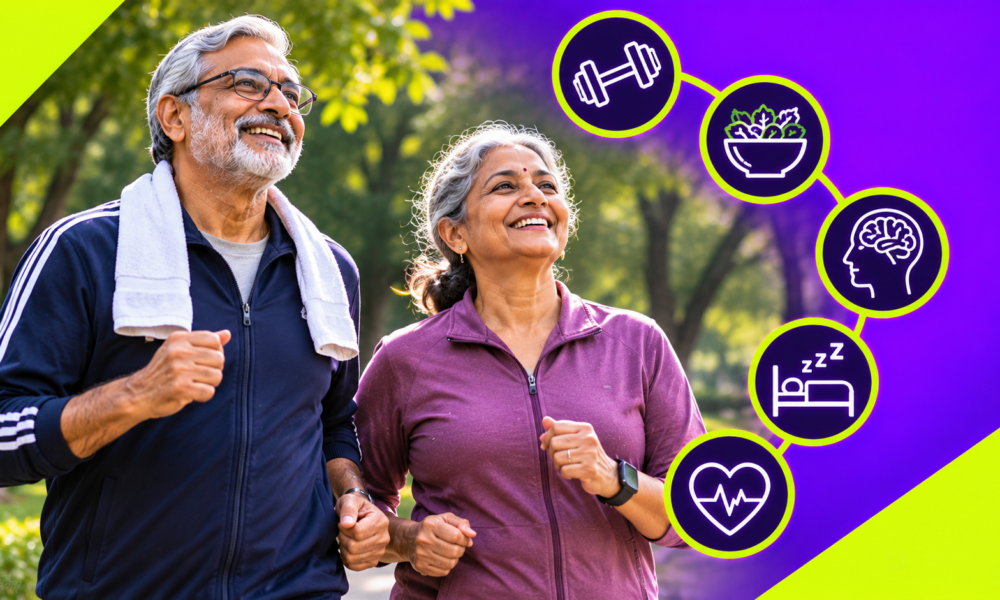
Retirement can bring a major change in everyday life. After years of work, people may suddenly have more time for family, hobbies and personal interests. However, the transition can also affect physical activity, social interaction and emotional well-being.
Healthy ageing is not simply about living longer. It involves maintaining the ability to move, think, participate in society and manage everyday activities as people grow older.
For India’s ageing population, preventive healthcare and supportive communities are becoming increasingly important.
Why does health planning matter after retirement?
Retirement can change daily routines.
Some people become less physically active after leaving work. Others may experience loneliness, financial concerns or reduced social interaction.
Existing conditions such as diabetes, hypertension, arthritis and heart disease may also require continued monitoring.
The World Health organisation ‘s India ageing information highlights the importance of physical activity, good nutrition, avoiding tobacco and alcohol, and maintaining mental well-being among older people.
who.int
Why is physical activity important?
Regular movement helps maintain strength, mobility, balance and cardiovascular health.
The WHO recommends that older adults remain physically active according to their abilities and health conditions.
For adults aged 65 and above, WHO guidance includes muscle-strengthening activities and balance-focused activity for older people with reduced mobility, where appropriate.
People who have been inactive should begin gradually rather than suddenly starting demanding exercise programmes.
who.int+1
Activities such as walking, gentle cycling, swimming, chair exercises and suitable yoga may be options, depending on individual health.
Anyone with significant medical conditions should discuss an appropriate activity plan with a healthcare professional.
Nutrition and hydration
Nutritional needs can change with age.
Older adults may need to pay greater attention to adequate protein, fibre, vitamins, minerals and hydration.
Meals should include a variety of vegetables, fruits, pulses, whole grains and suitable protein sources.
Dental problems, appetite changes, swallowing difficulties and medication side effects can affect food intake.
A dietitian or doctor can help address nutritional concerns, especially when there is unintended weight loss or a long-term medical condition.
Preventive healthcare and screenings
Regular health check-ups can help monitor blood pressure, blood glucose, cholesterol, vision, hearing and other age-related concerns.
Vaccination recommendations may also differ with age and medical history.
Older adults should discuss influenza, COVID-19 and other recommended vaccinations with their doctors.
Medication reviews are important too. Taking multiple medicines can increase the risk of interactions or side effects.
People should not stop prescribed medicines without medical advice.
Mental health and social connections
Retirement can affect identity and routine, particularly for people whose social lives were closely connected to work.
Loneliness, grief, reduced mobility and financial concerns can affect mental well-being.
Regular contact with friends, family and community groups can help maintain social connections.
Hobbies, volunteering, reading, learning and group activities can provide structure and a sense of participation.
Persistent sadness, loss of interest, sleep disturbance or anxiety should not be dismissed as an unavoidable part of ageing. Professional support can help.
Preventing falls at home
Falls can affect independence and confidence.
Simple home adjustments may help reduce risks, including better lighting, non-slip bathroom surfaces, secure handrails and removing loose rugs or obstacles.
People with balance difficulties should discuss suitable strength and balance exercises with a healthcare professional.
The bigger picture
Healthy ageing requires a combination of preventive healthcare, nutrition, movement, mental well-being and social support.
Retirement can be an opportunity to build healthier routines, but people should adapt their plans to their abilities and medical needs.
Ageing is natural. Losing the opportunity to participate in everyday life should not be treated as inevitable.





No Comment! Be the first one.