







Can Excessive Mobile Phone Usage Affect Sleep, Eyesight and Mental Health?
Smartphones have become an essential part of everyday life, helping people communicate, work, study and access entertainment. However, spending excessive time scrolling through social media, watching...

Smartphones have become an essential part of everyday life, helping people communicate, work, study and access entertainment. However, spending excessive time scrolling through social media, watching videos or browsing the internet may affect physical and mental well-being. From disrupted sleep and digital eye strain to concerns about anxiety and emotional health, researchers are increasingly examining the consequences of prolonged screen use.
But how much phone usage is too much, and what can people do to reduce its potential health effects?
- How Mobile Phone Usage Can Affect Sleep
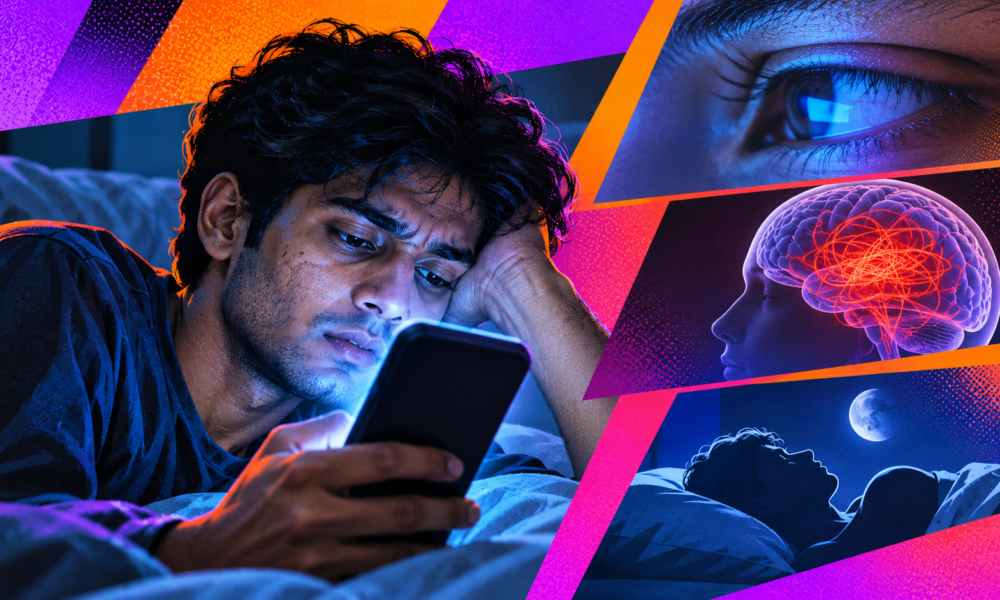
Using smartphones late at night can interfere with healthy sleeping habits. Notifications, social media feeds, online videos and emotionally stimulating content can keep the brain engaged when it should be preparing for rest.
Screen exposure in the evening may also influence the body’s natural sleep-wake cycle. However, the relationship between screen light and sleep is complex, and stimulating content and delayed bedtimes also play important roles.
A 2024 consensus statement published in the journal Sleep Health, involving experts convened by the National Sleep Foundation, found that screen use and pre-sleep digital content can negatively affect sleep health in children and adolescents.
Adults can also experience disrupted sleep when phone usage regularly delays bedtime or interrupts their rest.
- Can Excessive Screen Time Damage Your Eyes?
Prolonged smartphone usage can contribute to a condition commonly known as digital eye strain or computer vision syndrome.
People who spend extended periods looking at screens may experience:
Dryness and irritation in the eyes.
Temporary blurred vision.
Headaches and eye fatigue.
Difficulty focusing after prolonged screen use.
One reason is that people tend to blink less frequently while concentrating on digital screens, which can contribute to dry eyes.
According to the American Academy of Ophthalmology, ordinary screen exposure has not been shown to cause permanent eye damage. However, prolonged close-up activities and limited outdoor time are associated with an increased risk of myopia, particularly among children.
- The Connection Between Smartphones and Mental Health
Social media and constant digital connectivity can influence emotional well-being. Continuous notifications, online comparisons, cyberbullying and the pressure to remain available can contribute to stress and emotional exhaustion.
Some individuals may also experience difficulty concentrating when frequently switching between applications, messages and other digital activities.
The World Health Organization’s 2025 policy brief on digital environments and youth mental health highlights that the relationship between technology use and psychological well-being is complex. Digital platforms can provide social support and learning opportunities, but certain patterns of excessive or problematic use may also create risks.
Importantly, screen time alone does not determine someone’s mental health. Individual circumstances, online experiences and existing vulnerabilities also matter.
- How to Develop Healthier Smartphone Habits
Reducing unnecessary screen exposure does not mean abandoning smartphones. Instead, people can make practical changes to their daily routines.
Some useful measures include:
Follow the 20-20-20 rule: Every 20 minutes, look at something approximately 20 feet away for at least 20 seconds.
Create a bedtime routine: Avoid unnecessary smartphone use for an hour before sleeping.
Disable unnecessary notifications: Reduce distractions from applications and social media platforms.
Maintain physical activity: Make time for walking, exercise and outdoor activities.
Take regular screen breaks: Avoid prolonged periods of uninterrupted smartphone use.
Monitor usage: Review daily screen-time reports and identify applications consuming unnecessary time.
- Finding a Healthy Balance
Smartphones are valuable tools, but the way people use them matters. Excessive or poorly timed usage can interfere with sleep, contribute to eye discomfort and affect emotional well-being.
Rather than focusing exclusively on the number of hours spent online, individuals should examine whether smartphone usage is affecting their sleep, relationships, physical activity or daily responsibilities.
Building healthier digital habits, taking regular breaks and maintaining a consistent sleep schedule can help people enjoy the benefits of technology without allowing it to dominate their everyday lives.




No Comment! Be the first one.