








Financial Stress and Mental Health: How Debt and Loan Pressure Can Affect Well-Being
Monthly loan payments, rising living costs, credit card bills and uncertain employment can create financial pressure for individuals and families. While money problems are usually discussed as an...

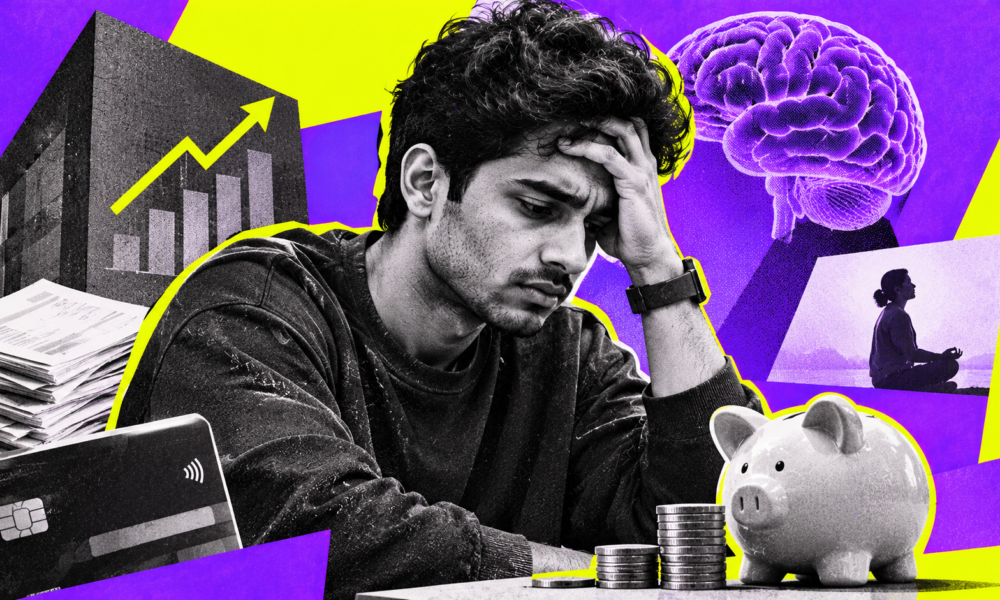
Monthly loan payments, rising living costs, credit card bills and uncertain employment can create financial pressure for individuals and families. While money problems are usually discussed as an economic issue, they can also affect emotional and mental well-being.
Financial stress can influence sleep, concentration, relationships and everyday decision-making. Understanding this connection is important because people experiencing money-related pressure may need both practical financial support and mental health care.
What is financial stress?
Financial stress refers to emotional pressure associated with difficulty managing money or meeting financial responsibilities.
It may arise from unemployment, high-interest debt, insufficient savings, medical expenses, housing costs or uncertainty about future income.
For some people, the pressure may be temporary. For others, it can continue for months or years.
Financial stress does not automatically mean someone has a mental health disorder. However, prolonged financial difficulties can contribute to psychological distress.
How can financial pressure affect mental health?
People experiencing financial stress may report persistent worry, irritability, difficulty concentrating and sleep disturbances.
Concerns about loan repayments or household expenses can make it difficult to switch off from financial problems, even during rest or family time.
Some people may withdraw from social activities because they feel embarrassed about their financial situation.
Others may experience tension in relationships when household members disagree about spending, borrowing or savings.
Research from the Australian Institute of Health and Welfare found that financially stressed people were significantly more likely to report high psychological distress and poor mental health in Australia.
This research describes an association, not proof that financial stress alone causes every mental health condition.
Why can debt become emotionally overwhelming?
Debt can create a repeated cycle of worry.
A person may borrow money to meet an immediate expense, then struggle to manage the next repayment. Interest charges and late fees can increase the financial burden.
The situation may become more stressful when income is uncertain or several repayments fall due at the same time.
Credit card debt and high-interest personal loans can be particularly difficult to manage because repayment costs may grow quickly.
Financial pressure can also affect people who earn a regular salary. A stable income does not always mean that someone has enough money left after rent, travel, healthcare and family responsibilities.
What are the warning signs?
People should pay attention if money worries begin affecting everyday functioning.
Possible warning signs include:
- Repeated difficulty sleeping because of financial concerns.
- Persistent anxiety about bills and repayments.
- Avoiding calls or messages from lenders.
- Frequent arguments about money.
- Loss of interest in normal activities.
- Difficulty concentrating at work.
- Feeling hopeless or overwhelmed.
If these problems persist or become severe, professional mental health support may be useful.
What practical steps can help?
The first step is to understand the financial situation clearly.
List income, essential expenses, loan balances, interest rates and repayment dates.
Prioritise housing, food, healthcare and other essential costs. Contact lenders early if repayments are becoming difficult, and ask about available repayment arrangements.
Avoid taking additional high-interest loans to manage existing debt without understanding the total cost.
A qualified financial adviser or reputable debt-counselling service may help people assess their options.
How can people protect their mental well-being?
Breaking financial problems into smaller tasks can make them feel more manageable.
Set aside a specific time to review finances instead of checking bills or loan balances repeatedly throughout the day.
Maintain basic routines involving sleep, meals and physical activity.
Talk to a trusted person rather than dealing with every concern alone.
If anxiety, depression or sleep problems continue, consult a qualified mental health professional.
In India, people can seek mental health support through Tele-MANAS at 14416, the Government of India’s national tele-mental health service.
Anyone experiencing an immediate risk of self-harm should seek urgent local emergency assistance and support from a trusted person.
The bigger picture
Financial well-being and mental health are connected.
Reducing debt pressure may require budgeting, financial counselling and changes in spending. Emotional distress may require psychological or medical support.
Treating both sides of the problem can help people regain a sense of control and improve everyday well-being.






No Comment! Be the first one.