







Air Pollution and Health in India: Government Steps Up Tracking of Pollution-Linked Diseases
Air pollution is once again raising public-health concerns across northern India as winter approaches. Alongside measures to control pollution, the Union Health Ministry has asked states and Union...

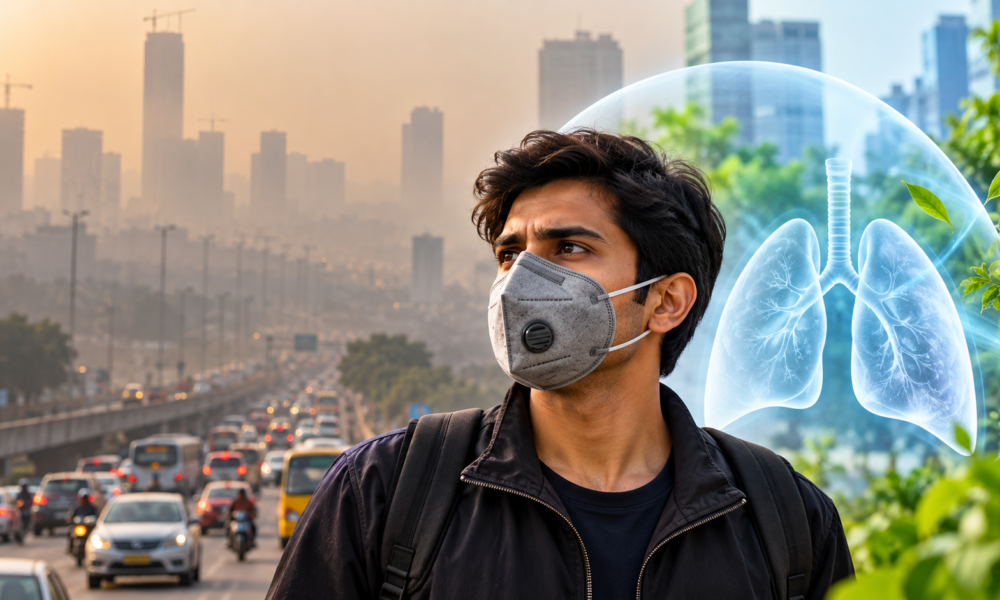
Air pollution is once again raising public-health concerns across northern India as winter approaches. Alongside measures to control pollution, the Union Health Ministry has asked states and Union territories to strengthen the tracking of illnesses that may be linked to poor air quality.
The move aims to help hospitals identify, record and report pollution-related health conditions more systematically. It could also give authorities a clearer understanding of how prolonged exposure to polluted air affects people across different regions.
According to a report published by Mint on November 3, 2026, the health ministry has directed states to improve screening and monitoring of pollution-linked illnesses. Hospitals are expected to use standardised disease codes, report cases regularly and follow up with patients considered at higher risk.
Why Is India Tracking Pollution-Related Illnesses?
Air pollution is not limited to coughing, throat irritation or breathing difficulties. Long-term exposure to polluted air has been associated with respiratory diseases, cardiovascular conditions, stroke and lung cancer.
Fine particulate matter, particularly PM2.5, is a major concern. These extremely small particles can travel deep into the lungs. Some pollutants can also enter the bloodstream, potentially affecting organs beyond the respiratory system.
A November 2026 knowledge paper by FICCI and EY highlighted the scale of the challenge. It reported that more than two million deaths in India were attributable to air pollution in 2023. The paper also called for stronger health preparedness and wider access to cleaner alternatives.
What Will the New Tracking System Do?
The health ministry’s approach focuses on improving how pollution-related illnesses are identified and documented.
Standardised disease coding can help hospitals record similar conditions consistently. Regular reporting can help public-health authorities study patterns across cities, districts and states.
Screening and follow-up are also important. People with asthma, chronic obstructive pulmonary disease, heart conditions and other long-term illnesses may need closer medical attention during periods of poor air quality.
Better health data can help authorities understand which populations are most affected and where healthcare resources may be required.
However, tracking cases does not immediately reduce pollution. It is one part of a wider public-health response that also requires cleaner transport, industrial emission controls, better waste management and effective urban planning.
How Can People Reduce Exposure?
People can take practical precautions when air quality deteriorates.
Check reliable air-quality updates before planning outdoor exercise. Avoid strenuous outdoor activity during periods of very poor air quality, particularly near busy roads and construction sites.
A well-fitted N95 or equivalent respirator can reduce exposure to airborne particles when used correctly. Ordinary cloth masks may not provide the same level of filtration.
Keep windows closed during periods of severe outdoor pollution when practical, and maintain ventilation when outdoor conditions improve. Avoid indoor smoking, incense and other activities that add to particulate pollution.
People with asthma or heart and lung conditions should follow their prescribed treatment plans. They should not stop medication or change doses without medical advice.
Seek medical attention if breathing difficulty, chest discomfort or other concerning symptoms develop or worsen.
Why Better Health Data Matters
India’s pollution challenge requires more than emergency restrictions during winter. Authorities need reliable information about the health burden throughout the year.
Improved disease tracking could help connect environmental conditions with hospital visits and long-term health trends. It may also support better planning for clinics, hospitals and preventive health programmes.
The larger challenge is to turn this information into action. Cleaner air is not simply an environmental goal. It is an essential part of protecting public health.




No Comment! Be the first one.