








Colorectal Cancer Screening Linked to 43% Lower Risk of Death in Large Swedish Study
A large Swedish study has found that people who actively participated in colorectal cancer screening had a 43% lower risk of dying from the disease, highlighting the potential impact of regular...

A large Swedish study has found that people who actively participated in colorectal cancer screening had a 43% lower risk of dying from the disease, highlighting the potential impact of regular screening and early detection.
The findings, published in JAMA Network Open on 20 August, are based on data from 376,511 people who were followed for up to 14 years through the Stockholm-Gotland colorectal cancer screening programme. Researchers from Karolinska Institutet and Umeå University examined whether participation in screening was associated with a lower risk of death from colorectal cancer.
The study found that simply being invited to take part in screening was associated with a 26% lower risk of dying from colorectal cancer. Among people who actually participated, the estimated reduction was 43% after researchers adjusted for non-participation and other factors that could affect the results.
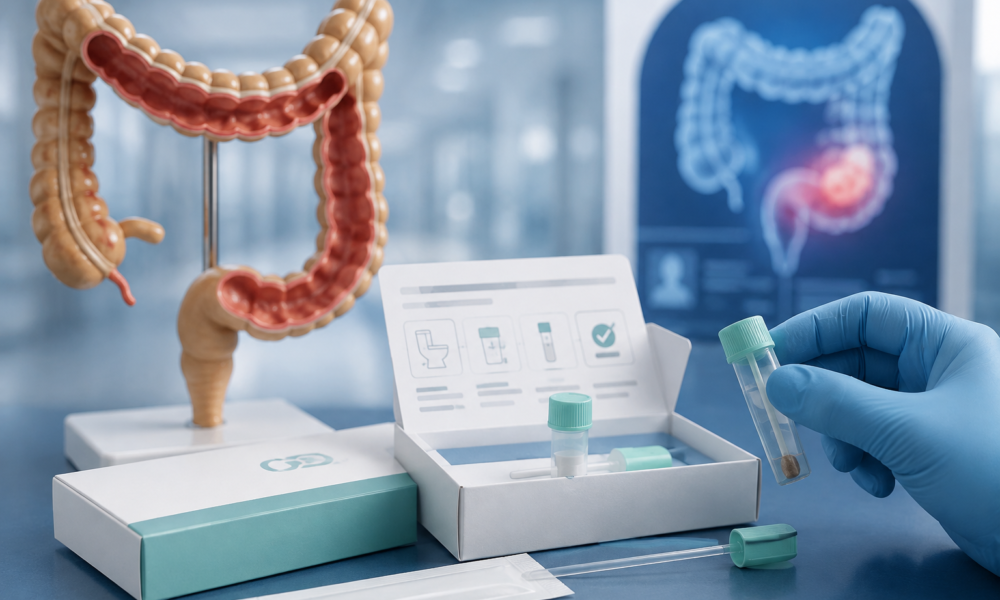
The screening programme uses a faecal occult blood test, which looks for tiny amounts of blood in a stool sample that may not be visible to the naked eye. In Sweden, screening kits are sent to eligible people at home, making the initial test possible without a hospital visit. People with blood detected in their sample can then be offered further investigation, usually through a colonoscopy.
Colorectal cancer is among the most common cancers, and detecting it earlier can improve the chances of successful treatment. Screening can also identify changes in the bowel before they develop into cancer, allowing doctors to investigate and treat potential problems earlier.
The size and length of the Swedish study give the findings considerable weight. Researchers recorded 1,668 colorectal cancer deaths during the follow-up period. However, the authors also pointed out that the study relied on statistical adjustments to account for several potential sources of bias. This means the 43% figure should be understood as an association rather than proof that screening itself directly caused the reduction in deaths.
One of the challenges highlighted by the researchers is participation. Around one-third of people invited to screening in the Swedish programme do not return their sample, despite the test being simple and available at home.
The researchers say the results underline the importance of taking part when screening is offered. The study adds to evidence that population-based screening can play an important role in reducing deaths from colorectal cancer.
For health systems, the findings also point to the value of making screening easy to access. Home-based testing removes some of the practical barriers associated with hospital appointments and may help increase participation.
The research does not mean that screening eliminates the risk of colorectal cancer. Instead, it reinforces a straightforward public health message: detecting disease earlier can give patients and doctors more opportunities to act.
The study was funded by the Swedish Cancer Society, the Swedish Research Council and Region Stockholm. The researchers reported no conflicts of interest.








No Comment! Be the first one.