








Healthy Breakfast Options in India: 7 Easy Foods to Start Your Day with Better Nutrition
Breakfast is often the first meal people think about when planning a healthy routine. However, busy mornings, long office commutes and changing food habits have made packaged snacks, sugary cereals...


Breakfast is often the first meal people think about when planning a healthy routine. However, busy mornings, long office commutes and changing food habits have made packaged snacks, sugary cereals and tea with biscuits common breakfast choices.
A nutritious breakfast does not have to be expensive or complicated. Traditional Indian foods such as poha, idli, dal chilla and vegetable upma can provide a balanced start to the day when prepared with the right ingredients.
According to the Indian Council of Medical Research (ICMR) and the National Institute of Nutrition (NIN), a balanced diet should include different food groups, including whole grains, pulses, vegetables, fruits, nuts and seeds.
Here are seven healthy breakfast options that can easily become part of an everyday Indian diet.
- Vegetable Poha
Poha is one of India’s most popular breakfast dishes. Adding peas, carrots, onions and peanuts can improve its nutritional variety.
Flattened rice provides carbohydrates, while peanuts contribute protein and healthy fats. Adding vegetables also increases fibre intake.
Use moderate amounts of oil and avoid adding too much salt.
- Idli with Sambar
Idli and sambar make a convenient breakfast combination. Idli is prepared using fermented rice and lentil batter, while sambar contains pulses and vegetables.
Together, they provide carbohydrates, plant protein and different nutrients.
Adding vegetables to sambar makes the meal more diverse and nutritious.
- Oats with Nuts and Fruits
Oats are a convenient option for people who prefer a quick breakfast. They contain dietary fibre and can be prepared with milk or fortified plant-based alternatives.
Add bananas, apples, almonds, walnuts or seeds for additional variety.
Choose plain oats instead of flavoured varieties containing large amounts of added sugar.
- Moong Dal Chilla
Moong dal chilla is a useful protein-containing breakfast option.
Prepared using ground green gram, onions, tomatoes and coriander, it provides plant protein and other nutrients.
It can be served with mint chutney or a portion of unsweetened plant-based yoghurt.
- Vegetable Upma
Upma prepared using semolina can become more balanced when vegetables and roasted peanuts are added.
For additional whole-grain variety, people can also experiment with millet-based upma.
Carrots, beans, peas and other seasonal vegetables improve the nutritional diversity of the meal.
- Sprouts and Chickpea Salad
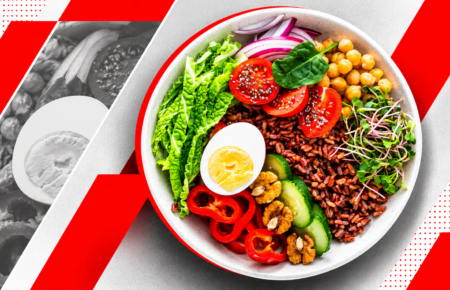
A bowl of sprouts, boiled chickpeas, cucumber, tomatoes and lemon makes a simple breakfast option.
Chickpeas and sprouts provide plant protein and fibre. Adding nuts or seeds can increase the variety of nutrients.
Ensure sprouts are handled hygienically and cooked when appropriate, particularly for people at higher risk of foodborne infections.
- Whole-Wheat Vegetable Sandwich
A sandwich made with whole-wheat bread, cucumber, tomatoes, lettuce and homemade hummus can be a convenient option for working professionals.
Hummus, prepared using chickpeas, provides additional plant protein and fibre.
Choose whole-grain bread and limit high-sodium sauces and packaged spreads.
What Makes a Breakfast Healthy?
According to the ICMR-NIN Dietary Guidelines for Indians, a balanced diet requires variety rather than depending on one particular food.
A practical breakfast can combine whole grains, pulses, vegetables, fruits, nuts and seeds. The quantity should depend on individual energy requirements, activity levels and dietary needs.
The World Health Organization also recommends limiting free sugars and consuming a variety of minimally processed foods.
The Bottom Line
Healthy eating does not require expensive ingredients or complicated recipes. Indian kitchens already offer several affordable breakfast choices that can support a balanced diet.
Making small changes, such as replacing sugary cereals with oats, adding vegetables to poha and including pulses in breakfast, can help improve everyday food habits.
The most important thing is consistency, variety and choosing foods that suit your nutritional requirements.




No Comment! Be the first one.