






Noida Child PGI Launches Safety Audit After ICU Ceiling Collapse Raises Hospital Infrastructure Concerns
The Child PGI Hospital in Noida has initiated a comprehensive infrastructure and safety audit after a portion of the ceiling collapsed in the emergency ICU ward. Fortunately, the 18-month-old patient...

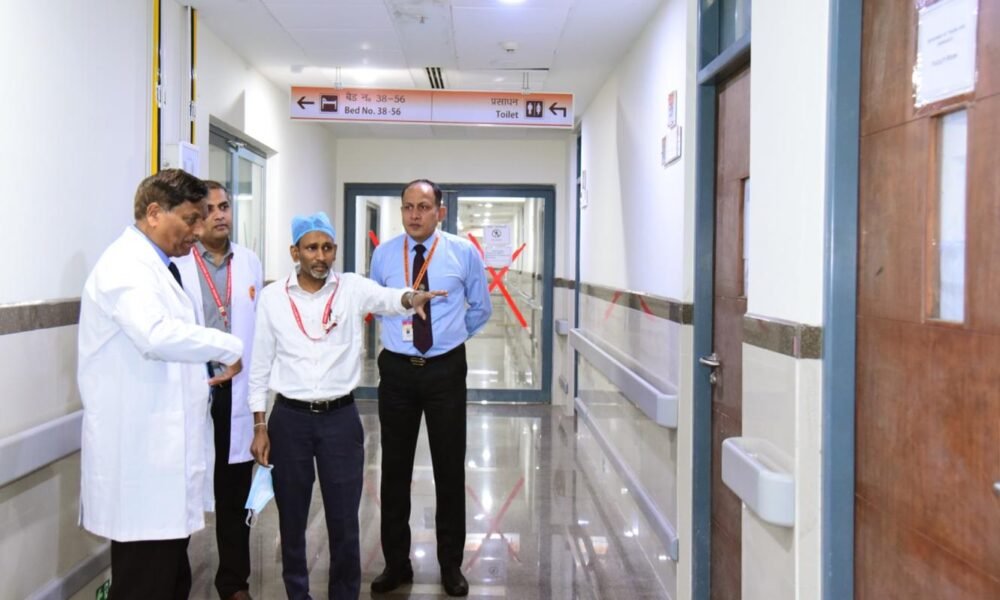
The Child PGI Hospital in Noida has initiated a comprehensive infrastructure and safety audit after a portion of the ceiling collapsed in the emergency ICU ward. Fortunately, the 18-month-old patient occupying the bed escaped unharmed after moving away moments before the incident, while the child’s father sustained minor injuries from the falling debris. The incident has renewed focus on hospital infrastructure maintenance and patient safety standards.
Following the incident, hospital authorities began inspecting the affected ward and initiated a broader structural assessment of the facility to identify potential risks. Officials have assured that corrective measures will be implemented promptly to ensure the safety of patients, attendants and healthcare workers.
Healthcare experts emphasize that regular structural inspections and preventive maintenance are essential components of hospital safety. Areas such as intensive care units, operation theatres and emergency departments require continuous monitoring to ensure that ageing infrastructure does not compromise patient care or disrupt critical medical services.
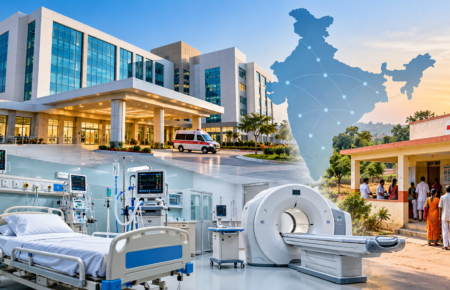
Hospital infrastructure plays a vital role in healthcare delivery. Safe buildings, reliable electrical systems, proper ventilation and well-maintained patient wards contribute significantly to infection control, emergency preparedness and overall patient well-being. Experts note that routine engineering audits can help detect structural issues before they become serious hazards.
Public health specialists also stress the importance of periodic safety assessments in both public and private healthcare institutions. Comprehensive infrastructure management, timely repairs and adherence to building safety standards can reduce risks while improving the quality of healthcare services.
The incident has prompted discussions on strengthening hospital infrastructure across rapidly expanding urban healthcare facilities. Medical administrators believe integrating digital maintenance systems, routine engineering inspections and independent safety audits can improve long-term hospital resilience.
Authorities are expected to complete the inspection and undertake necessary repair work before reopening the affected section of the hospital. Healthcare experts believe the incident serves as an important reminder that patient safety depends not only on quality medical care but also on secure and well-maintained healthcare infrastructure.






No Comment! Be the first one.