








India Targets Mercury-Free Healthcare by 2030: Why Hospitals Are Replacing Traditional Medical Devices
India is stepping up efforts to eliminate mercury-containing medical devices from healthcare facilities by 2030, marking an important development in the country’s healthcare safety and...

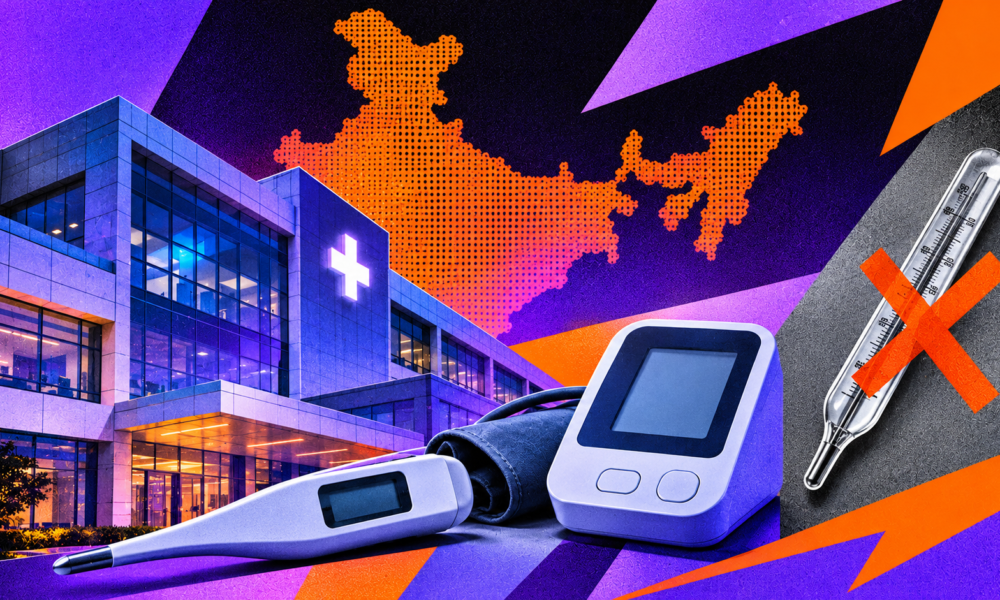
India is stepping up efforts to eliminate mercury-containing medical devices from healthcare facilities by 2030, marking an important development in the country’s healthcare safety and environmental protection initiatives.
The initiative focuses on replacing traditional mercury-based thermometers and blood pressure monitors with safer alternatives while improving the management of existing mercury-containing medical waste.
According to the World Health Organization (WHO), India is strengthening its efforts through collaboration between the Ministry of Health and Family Welfare, environmental authorities and international organisations.
A technical mission involving WHO, the United Nations Environment Programme and government representatives reviewed progress in September 2026. The WHO published an update on October 22, 2026.
World Health Organization
Why is mercury used in medical equipment a concern?
Mercury is a naturally occurring metal that can be harmful to human health when exposure is not properly controlled.
It can affect the nervous system, kidneys and other organs, depending on the level and duration of exposure.
Traditional mercury thermometers use the metal to measure temperature through its expansion and contraction.
Mercury-containing sphygmomanometers have also historically been used to measure blood pressure.
However, breakage or improper disposal can release mercury into the environment, creating potential exposure risks for healthcare workers, patients and waste handlers.
What is India planning to replace?
The initiative focuses on two important categories of medical equipment:
Mercury thermometers: These devices are being replaced by alternatives such as digital thermometers.
Mercury blood pressure monitors: Healthcare facilities can transition to validated non-mercury equipment, including appropriate digital and aneroid devices.
The transition must ensure that replacement equipment provides reliable measurements and meets relevant quality requirements.
How far has India progressed?
The WHO’s October 2026 update highlighted several developments.
Fourteen states had completed inventories and assessments of mercury-containing devices, while 12 states had issued phase-out orders.
The WHO also reported that Delhi, Punjab, Manipur, Sikkim, Goa, Haryana, Ladakh, Chandigarh and the Andaman and Nicobar Islands had eliminated the use of mercury-based medical devices in public health services.
These developments indicate that the transition involves more than simply purchasing replacement equipment.
Hospitals also need systems for identifying existing devices, safely storing mercury waste, transporting it and ensuring appropriate disposal.
Why does mercury waste management matter?
Replacing medical equipment does not automatically eliminate the risks associated with mercury.
Existing devices may remain in storage or continue to be used until the transition is completed.
Healthcare facilities therefore need clear procedures for segregating mercury-containing equipment, preventing accidental breakage and ensuring safe handling.
The WHO update also highlighted training for state-level officials and efforts to strengthen waste-management systems.
What does this mean for India’s healthcare system?
The transition towards mercury-free healthcare represents an intersection of public health, hospital management and environmental sustainability.
It could encourage hospitals to modernise equipment, improve procurement standards and strengthen medical waste management.
The challenge will be ensuring that smaller healthcare facilities also have access to reliable replacement devices and trained personnel.
Ultimately, India’s mercury-free healthcare objective is not simply about replacing old thermometers. It is about creating safer healthcare environments while reducing environmental contamination.
Source: WHO India, October 22, 2026. This article is for informational purposes.




No Comment! Be the first one.