






Seasonal Influenza in India: Symptoms, Prevention and When to See a Doctor
As temperatures change and people spend more time in enclosed spaces, respiratory infections become an important public-health concern. Seasonal influenza, commonly called the flu, is one illness...

As temperatures change and people spend more time in enclosed spaces, respiratory infections become an important public-health concern. Seasonal influenza, commonly called the flu, is one illness that people should understand during the winter months.
The Union Ministry of Health and Family Welfare, in coordination with ICMR and the National Centre for Disease Control, said in August 2026 that it was monitoring seasonal influenza trends across India. The government reported that circulating influenza viruses were consistent with expected seasonal patterns, with no unusual genetic shift identified at that time.
pib.gov.in+1
What is seasonal influenza?
Seasonal influenza is a contagious respiratory infection caused mainly by influenza A and B viruses.
It spreads through respiratory particles released when an infected person coughs, sneezes, talks or breathes. Infection can also spread through contaminated hands and contact with the face.
The World Health Organization estimates that seasonal influenza causes around one billion infections globally each year, including three to five million cases of severe illness.
who.int
What are the common symptoms?
Influenza often begins suddenly. Common symptoms include:
- Fever or feeling feverish.
- Dry cough.
- Sore throat.
- Headache.
- Muscle and joint pain.
- Fatigue and weakness.
- Runny or blocked nose.
Some people may also experience gastrointestinal symptoms, particularly children.
A cough can continue for two weeks or longer, even after other symptoms improve.
Is influenza the same as a common cold?
No. Both are respiratory infections, but they are caused by different viruses.
A common cold often develops gradually and may mainly cause sneezing, a runny nose and mild throat discomfort.
Influenza can begin more suddenly and may cause fever, body aches, marked fatigue and a more severe cough.
Symptoms alone cannot always confirm which infection a person has. A healthcare professional may recommend testing depending on the situation.
Who is at greater risk?
Influenza can affect anyone, but some groups face a higher risk of complications.
These include children under five, adults aged 65 and above, pregnant women, people with asthma, heart disease, diabetes or other chronic conditions, and individuals with weakened immune systems.
In some cases, influenza can lead to pneumonia or worsen an existing medical condition.
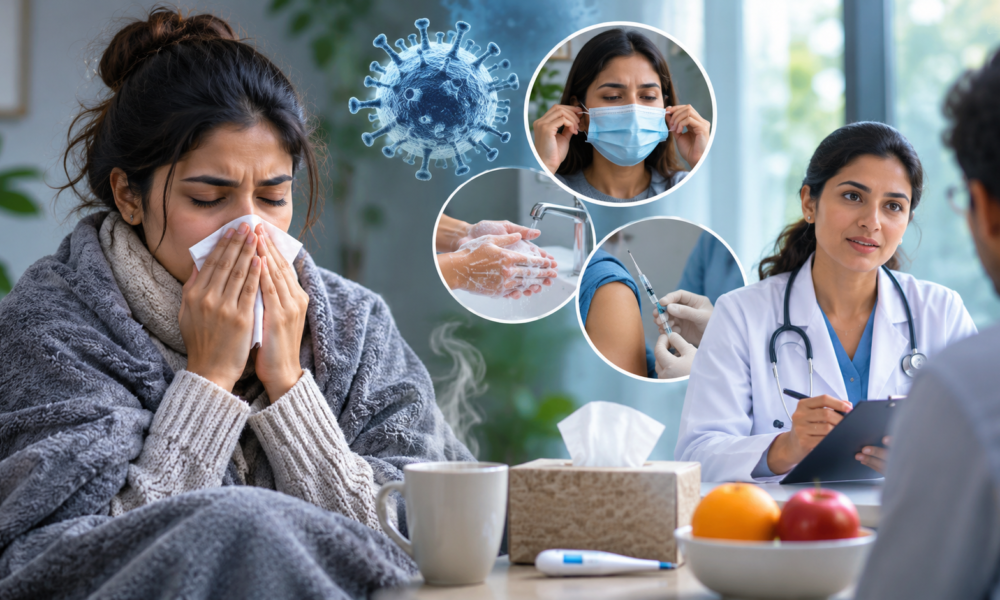
How can people prevent influenza?
Annual influenza vaccination is an important preventive measure. WHO recommends vaccination particularly for groups at higher risk of severe illness.
Other precautions include:
- Wash hands regularly with soap and water.
- Cover the mouth and nose when coughing or sneezing.
- Avoid close contact with people who are unwell.
- Improve ventilation in indoor spaces.
- Stay home when experiencing flu symptoms, where possible.
- Wear a mask when sick and around others, particularly in crowded indoor settings.
WHO notes that vaccination can take up to two weeks to develop protective immune responses.
who.int+1
What should someone do after developing symptoms?
People with mild symptoms should rest, drink enough fluids and monitor their condition.
People at higher risk should contact a healthcare professional early, because antiviral treatment may be appropriate in certain cases and is generally most useful when started promptly.
Antibiotics do not treat influenza viruses. They should only be used when a clinician identifies a bacterial infection or another appropriate indication.
Severe breathlessness, chest pain, confusion, dehydration or worsening symptoms require urgent medical assessment.
The bigger picture
Seasonal influenza is common, but it should not be dismissed as an ordinary cold.
Vaccination, hygiene, ventilation and timely medical care can reduce the risk of severe illness and help protect vulnerable people.



No Comment! Be the first one.