








One in Four Teenagers Does Not Get Enough Physical Activity, WHO Report Finds
Physical activity is important for healthy growth, physical fitness and emotional wellbeing. However, a new global report from the World Health Organisation (WHO) highlights a concerning trend: many...


Physical activity is important for healthy growth, physical fitness and emotional wellbeing. However, a new global report from the World Health Organisation (WHO) highlights a concerning trend: many teenagers are not getting enough movement in their daily lives.
Published on 4 November 2026, the WHO report, A Generation Missing Out: Global Trends in Adolescent Physical Activity, 2010–2025, examines activity levels among young people aged 11 to 17.
It draws on 389 population-based surveys across 140 countries and territories, covering more than 3.2 million adolescents.
The findings highlight the need to make physical activity a more accessible part of everyday life.
What did the WHO report find?
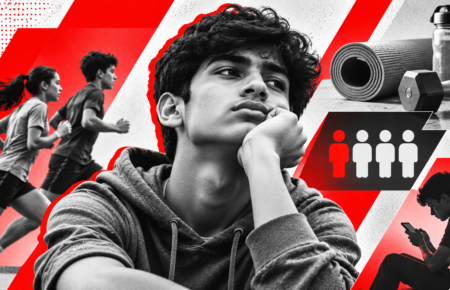
According to the report, one in four adolescents in 2025 reported having no days during the previous week when they completed at least 60 minutes of moderate-to-vigorous physical activity.
Only 14% reported being physically active on all seven days.
The report also found that global activity levels have changed very little since 2010.
This suggests that efforts to encourage healthier lifestyles among teenagers need stronger support from schools, families and communities.
Why is physical activity important?
Regular physical activity supports several aspects of adolescent development.
It helps strengthen muscles and bones, improves cardiovascular fitness and supports healthy weight management.
Physical activity can also contribute to better sleep and emotional wellbeing.
Sports, cycling, walking, dancing and outdoor games are all ways for teenagers to remain active.
Not every activity needs to take place inside a gym. Everyday movement can also contribute to a healthier lifestyle.
Girls are less active than boys
One of the important findings in the WHO report is the difference in physical activity levels between boys and girls.
Girls were consistently less active than boys across the global data.
This highlights the need to understand the barriers that may prevent girls from participating in sports and physical activities.
Limited access to safe outdoor spaces, social expectations, lack of suitable facilities and fewer opportunities to participate in organised sports can affect activity levels.
Schools and local communities can help by creating more inclusive environments.
The role of schools and families
Schools can play an important role in encouraging physical activity.
Regular physical education lessons, sports facilities, outdoor activities and movement breaks can help students develop healthier habits.
Families can also encourage children to participate in activities they enjoy.
Walking together, cycling, playing outdoor games and limiting long periods of sitting can support everyday movement.
The focus should be on making physical activity enjoyable rather than treating it as another academic responsibility.
Smartphones and sedentary lifestyles
Digital entertainment and prolonged screen time can contribute to sedentary routines when they replace movement, outdoor play or sports.
However, technology is not necessarily harmful in every situation.
Fitness applications, activity trackers and online exercise programmes can also encourage movement.
The important factor is how technology is used and whether it supports or replaces healthy daily habits.
What can be done?
The WHO report calls for coordinated action to make physical activity safe, affordable and accessible to teenagers.
Schools, urban planners, sports organisations and governments all have a role to play.
Accessible parks, safe walking routes, cycling facilities and affordable sports programmes can encourage young people to become more active.
Building healthier habits early
Adolescence is an important period for developing habits that can continue into adulthood.
Making movement part of everyday life does not require expensive equipment or complicated routines.
A combination of walking, playing sports, cycling and other enjoyable activities can help teenagers become more active.
The WHO findings highlight a clear challenge: young people need more opportunities to move, play and participate in physical activities.
Source: WHO global report, 4 November 2026.





No Comment! Be the first one.