







El Niño 2026–27: How Changing Weather Patterns Could Affect Public Health in India
India could face growing public health challenges as a strong El Niño develops across the Pacific Ocean, potentially influencing weather patterns through early 2027. From rising temperatures and...

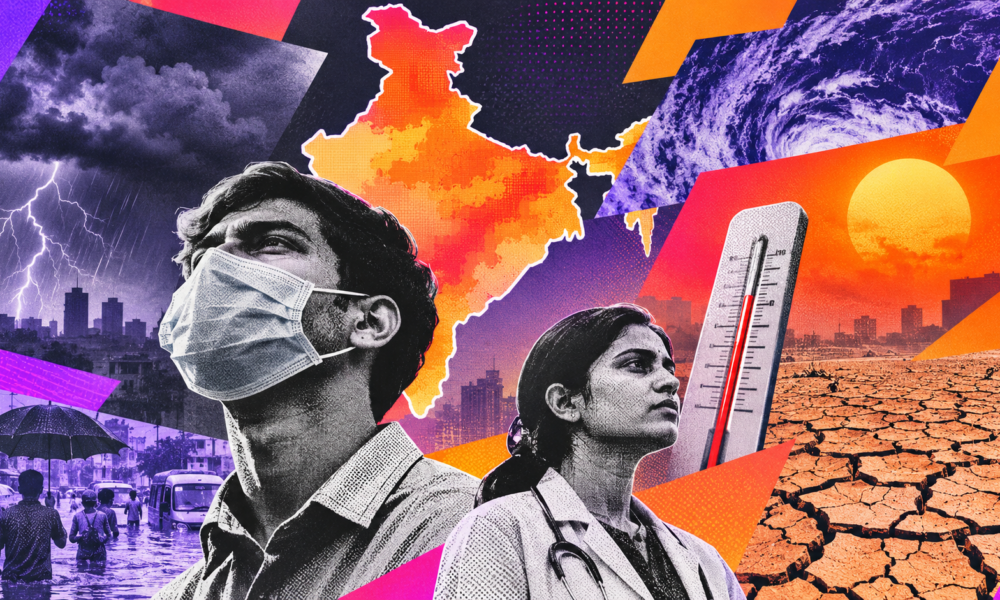
India could face growing public health challenges as a strong El Niño develops across the Pacific Ocean, potentially influencing weather patterns through early 2027. From rising temperatures and heat-related illnesses to changing rainfall patterns, water shortages and infectious diseases, the phenomenon could place additional pressure on vulnerable communities and healthcare systems.
According to the World Meteorological Organisation (WMO), El Niño is expected to intensify into a very strong event, with forecasts indicating an exceptionally high likelihood of its continuation through February 2027. However, its regional consequences will depend on other climate conditions and cannot be predicted solely by measuring its strength.
What Does El Niño Mean for India?
El Niño is a naturally occurring climate phenomenon in which sea surface temperatures across the central and eastern equatorial Pacific become warmer than normal. This affects atmospheric circulation and can influence rainfall and temperature patterns across different parts of the world.
In India, El Niño has historically been associated with weaker southwest monsoons. According to the Ministry of Earth Sciences, seven out of 16 El Niño years since 1950 experienced below-normal Indian monsoon rainfall. The relationship is particularly noticeable during the later part of the monsoon season.
The India Meteorological Department (IMD) monitors these developments through seasonal and monthly forecasts, helping authorities prepare for potential rainfall and temperature-related challenges.
Rising Temperatures and Heat-Related Illnesses
One of the major public health concerns associated with El Niño is the possibility of elevated temperatures and prolonged heat exposure.
Extreme heat can cause dehydration, heat exhaustion and potentially life-threatening heatstroke. Older adults, children, pregnant women and people with existing health conditions may face greater risks.
Outdoor workers, including construction labourers, delivery personnel, street vendors and agricultural workers, are particularly vulnerable because prolonged exposure to high temperatures can affect their health and productivity.
A study highlighted by Nature in October 2026 suggests that climate signals associated with El Niño could help anticipate India’s humid-heat risks several months in advance. Such information could support early warnings and workplace safety measures.
Water Scarcity, Food Security and Infectious Diseases
Changes in rainfall patterns could also affect access to clean drinking water, particularly in drought-prone and water-stressed regions.
Reduced water availability can encourage unsafe water storage and increase the risk of contamination. Poor sanitation and contaminated drinking water can contribute to diarrhoeal diseases and other waterborne infections.
Changing rainfall patterns can also influence mosquito breeding environments. Heavy rainfall and stagnant water may create favourable conditions for mosquito-borne diseases such as dengue and malaria. Meanwhile, drought-related water storage practices can inadvertently create additional breeding sites.
Agriculture is another important concern. Irregular rainfall and reduced crop production could affect food availability, agricultural incomes and household nutrition, particularly among economically vulnerable populations.
Who Is Most at Risk?
The potential health burden will not be distributed equally. Low-income households, rural communities, informal settlements and people with limited access to healthcare may face greater difficulties responding to extreme weather.
Hospitals and primary healthcare centres could also experience additional pressure during heatwaves, disease outbreaks and water-related emergencies.
How Can India Prepare?
Strengthening public health preparedness will be essential. State governments and local authorities should improve heatwave early-warning systems, ensure access to safe drinking water, monitor infectious diseases and strengthen emergency healthcare facilities.
Employers should consider safer working hours, adequate drinking water and shaded rest areas for outdoor workers. Communities can reduce mosquito breeding by removing stagnant water and maintaining covered water-storage containers.
India’s response to El Niño should combine meteorological monitoring with preventive healthcare and local-level preparedness. Although the phenomenon does not guarantee a nationwide drought or health emergency, early action can reduce the potential impact on millions of people.
As climate variability continues to challenge public health systems, preparedness will be just as important as predicting the weather.


No Comment! Be the first one.