








Delhi-NCR Winter Pollution: 7 Ways to Protect Your Lungs
As winter approaches, Delhi-NCR faces another challenging season of air pollution. Falling temperatures, stagnant air, vehicle emissions, construction dust and agricultural stubble burning contribute...

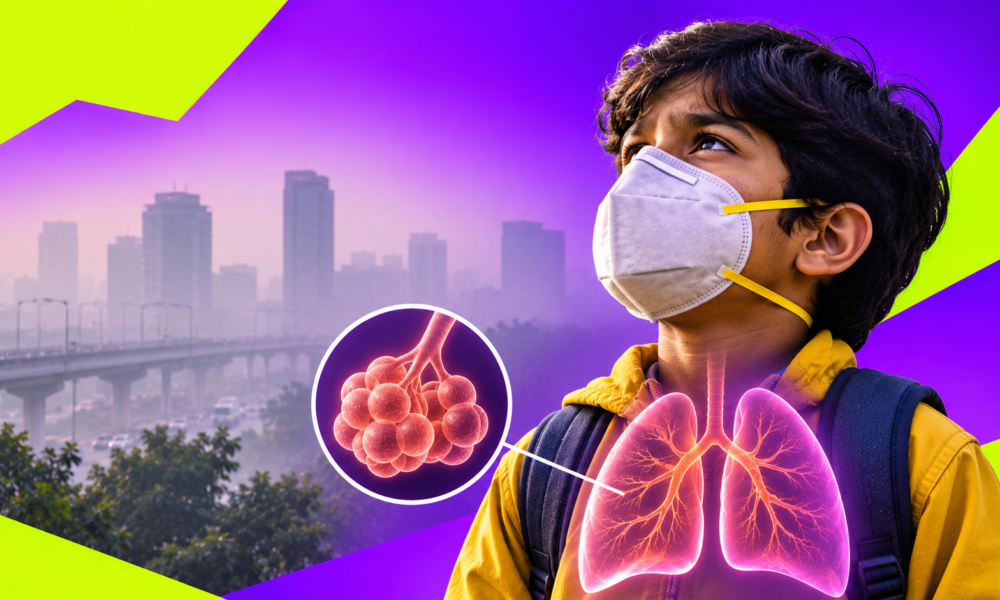
As winter approaches, Delhi-NCR faces another challenging season of air pollution. Falling temperatures, stagnant air, vehicle emissions, construction dust and agricultural stubble burning contribute to the accumulation of harmful pollutants, including fine particulate matter (PM2.5), which can penetrate deep into the lungs.
On November 9, 2026, Delhi’s Air Quality Index (AQI) stood at 372, placing it in the ‘Very Poor’ category, according to the Commission for Air Quality Management (CAQM). With deteriorating air quality becoming a recurring winter concern, protecting respiratory health has become increasingly important.
Prolonged exposure to polluted air can aggravate asthma, bronchitis and other respiratory conditions. It is also associated with an increased risk of cardiovascular diseases. Here are seven practical ways to reduce your exposure and protect your lungs.
- Check the AQI Before Stepping Outside
Make checking the Air Quality Index part of your daily routine. The Central Pollution Control Board (CPCB) provides air quality updates through its SAMEER application and monitoring network.
When AQI levels enter the ‘Very Poor’ or ‘Severe’ categories, reduce unnecessary outdoor activities, particularly prolonged exercise, jogging and cycling.
- Wear a Properly Fitted N95 Mask
A well-fitting N95 respirator can help filter airborne fine particles, including PM2.5. Ensure the mask covers both your nose and mouth without leaving significant gaps around the edges.
Ordinary cloth masks and loose-fitting surgical masks generally offer less reliable protection against fine particulate pollution. Replace damaged or heavily soiled masks and ensure they fit properly.
- Improve Indoor Air Quality
Staying indoors does not automatically mean escaping pollution. Outdoor pollutants can enter homes through doors, windows and ventilation systems.
Consider using an air purifier equipped with a High-Efficiency Particulate Air (HEPA) filter in frequently occupied rooms. Keep windows closed during periods of high outdoor pollution and clean household surfaces regularly using damp cloths to reduce accumulated dust.
Avoid smoking, incense sticks and indoor burning, which can introduce additional pollutants.
- Avoid Outdoor Workouts During High Pollution
Exercise increases breathing rates, potentially increasing the amount of polluted air entering your lungs.
During high-AQI days, shift jogging, cycling and other strenuous activities indoors. Children, older adults and people with asthma or heart conditions should be particularly careful about prolonged outdoor exertion.
- Stay Hydrated and Maintain a Balanced Diet
Drinking sufficient water helps maintain normal bodily functions and keeps the respiratory tract adequately hydrated. Include fruits, vegetables, nuts and other nutrient-rich foods in your daily diet.
Foods containing vitamin C and other antioxidants support normal immune function. However, no food, drink or supplement can neutralise the harmful effects of air pollution or replace exposure-reduction measures.
- Protect Children and Older Family Members
Children, older adults and people with existing respiratory or cardiovascular conditions are particularly vulnerable to polluted air.
Limit children’s outdoor play when AQI levels are high. Keep prescribed inhalers and other essential medications accessible, and follow medical advice for managing existing conditions.
Watch for persistent coughing, wheezing, chest discomfort and breathing difficulties.
- Seek Medical Attention When Symptoms Persist
Do not ignore respiratory symptoms that worsen during pollution episodes. Persistent coughing, unusual breathlessness, wheezing and chest tightness may indicate that your respiratory system is being affected.
People with asthma or chronic obstructive pulmonary disease (COPD) should follow their prescribed treatment plans and consult their doctors if symptoms become more frequent.
Severe breathing difficulty or chest pain requires immediate medical attention.
Protecting Your Lungs Requires Consistent Action
Delhi-NCR’s winter pollution is not simply an inconvenience; it is a serious public health concern. While individual precautions cannot eliminate exposure completely, monitoring AQI levels, wearing properly fitted respirators, improving indoor air quality and limiting outdoor exertion can help reduce health risks.
Protecting your lungs begins with informed daily decisions. As pollution levels fluctuate throughout the winter, staying alert and following official health advisories can make a meaningful difference.




No Comment! Be the first one.