








Delhi Air Pollution: How Toxic Air Is Affecting Lung Health and How to Stay Safe
Recently, a dust storm hit Delhi-NCR after strong winds swept through the capital at speeds of 30–40 kmph. The storm caused a significant deterioration in Delhi’s air quality. Delhi-NCR cities such...

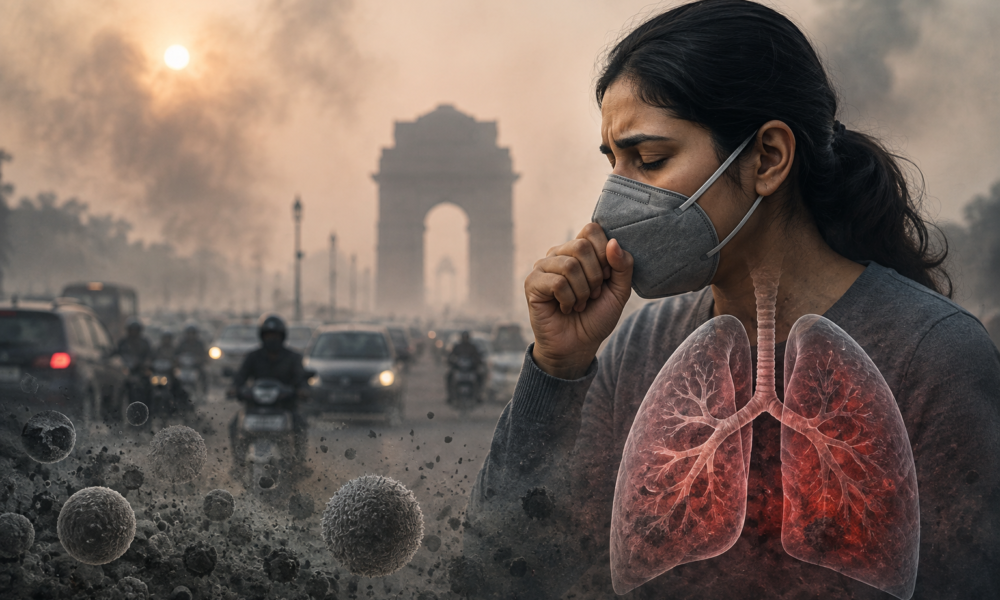
Recently, a dust storm hit Delhi-NCR after strong winds swept through the capital at speeds of 30–40 kmph. The storm caused a significant deterioration in Delhi’s air quality. Delhi-NCR cities such as Delhi, Noida and Gurugram were badly affected. Many people across the Delhi-NCR region reported breathing problems, eye irritation, coughing and sore throats after Delhi’s AQI reached the ‘poor’ category.
On January 13, the Anand Vihar area of Delhi recorded a high AQI of 411, according to the Central Pollution Control Board (CPCB). The worsening air quality also triggered a political tussle among Delhi authorities.
According to the data cited in the report, AQI levels on May 15 did not cross the 243 mark between 2022 and 2024, while the levels rose sharply during the recent episode.
The capital of India faces heavy air pollution during the winter months. During severe pollution episodes, the city can be covered in thick smog. High pollution levels can also make breathing difficult.
Delhi’s air contains harmful pollutants such as PM2.5, PM10, nitrogen dioxide, carbon monoxide and sulphur dioxide. Major sources of these pollutants include vehicle emissions, industrial smoke, construction-site dust and crop burning in nearby regions.
When we breathe polluted air, tiny PM2.5 particles can travel deep into the lungs. These particles can reach the alveoli, the tiny air sacs where oxygen enters the blood. Some particulate matter can also enter the bloodstream and cause inflammation in the body. Prolonged exposure to such pollution can damage lung health.
Long-term exposure to polluted air can lead to long-lasting airway inflammation, persistent coughing, increased mucus production, breathing difficulties, reduced lung capacity, a higher risk of asthma and bronchitis, lung scarring in severe cases, and an increased risk of lung cancer.
However, children and older people are more vulnerable to the effects of air pollution. Children breathe faster than adults and can therefore take in more polluted air relative to their body size.
Pollution can affect the development and function of children’s lungs, while older people may experience worse symptoms because of existing health problems. People with existing heart or lung conditions can also experience increased coughing, wheezing and breathing difficulties.
Pollution levels often rise between October and January. Crop burning, low wind speeds and fireworks can contribute to this increase.
Respiratory problems and hospital visits can also increase during periods of heavy pollution. There are several ways to protect your lungs. During periods of high AQI, it is advisable to avoid unnecessary outdoor activities. Wearing an N95 or N99 mask can also help reduce exposure to fine particles when outdoors.
Using an indoor air purifier can help improve indoor air quality. It is also important to stay hydrated and drink enough water throughout the day. People should try to maintain a balanced diet that includes fruits, vegetables and other nutritious foods. Strenuous outdoor exercise should also be avoided when pollution levels are high.
If symptoms such as persistent coughing, wheezing or breathing difficulties continue, people should seek medical advice rather than ignore them.








No Comment! Be the first one.